An Overview Of Costs Associated With A 4 Tooth Implant Bridge
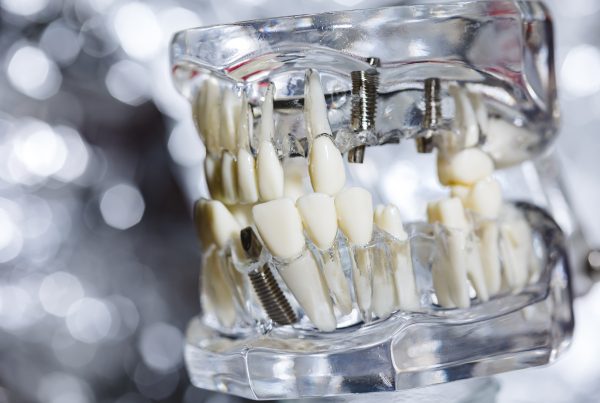
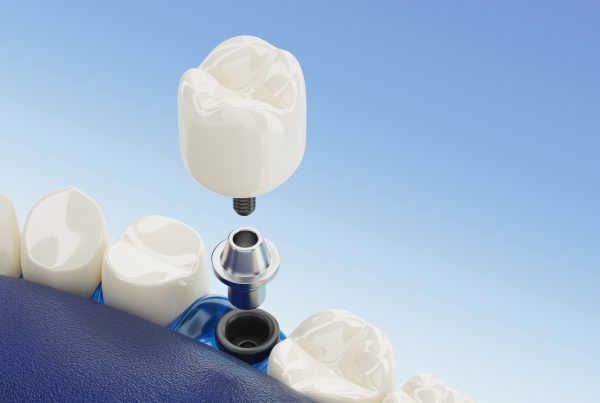
The cost of a 4-tooth implant bridge is a significant consideration for individuals seeking to restore their dental health and achieve a beautiful, functional smile. This dental procedure involves replacing four missing teeth with dental implants, which serve as sturdy anchors for a bridge that mimics the appearance and function of natural teeth. While the benefits of such a restoration are undeniable, it's important to be aware of the financial investment involved. The total cost can vary based on several factors, including location, the type of materials used, and the specific needs of the patient. In this article, we will delve into the various aspects that contribute to the cost of a 4-tooth implant bridge, helping you gain a better understanding of what to expect when considering this transformative dental treatment.

What are the typical factors that influence the cost of a 4-tooth implant bridge procedure?
The cost of a 4-tooth implant bridge procedure can be influenced by various factors that contribute to the complexity and overall quality of the treatment. One crucial determinant is the type of materials used for the dental implants and the bridge itself. High-quality materials such as porcelain, ceramic, or durable metal alloys tend to incur higher costs compared to less expensive alternatives. Additionally, the brand reputation and specific features of the chosen materials can impact the overall pricing. Moreover, the need for any preliminary procedures, such as bone grafting or sinus lifts to ensure adequate bone support for the implants, can significantly contribute to the total cost. These preparatory measures are essential for ensuring the long-term success and stability of the 4-tooth implant bridge, but they can also add to the financial investment required for the complete procedure.
Furthermore, the geographical location of the dental practice can also play a role in determining the cost of a 4-tooth implant bridge. Dental service prices may vary considerably between different regions, cities, and countries, with urban centers generally having higher costs than rural areas. In areas with a higher cost of living, including expenses such as rent, utilities, and salaries for dental professionals, the overall price of the procedure is likely to be higher. Conversely, regions with a lower cost of living may offer more affordable options for the same quality of care. Understanding these geographical cost differentials can help individuals make informed decisions about where to seek treatment without compromising on the quality of care and materials used.
What are the differences in cost between various materials used for 4-tooth implant bridges, such as porcelain, ceramic, or metal alloys?
The cost of 4-tooth implant bridges can vary significantly based on the materials chosen for the restoration. Porcelain, known for its durability and natural tooth-like appearance, is often a popular choice for dental implants. While it tends to be one of the more expensive options, its aesthetic appeal and long-term durability make it a preferred material for many patients. Ceramic is another material commonly used for implant bridges, offering similar aesthetic qualities to porcelain but often at a relatively lower cost. It provides natural-looking results and can be a suitable alternative for individuals seeking an effective balance between cost and aesthetics. On the other hand, metal alloys, such as titanium or cobalt-chromium, are known for their strength and resilience, making them a durable choice for the framework of implant bridges. While metal alloys may be less expensive than porcelain or ceramic, they may not offer the same natural appearance, which can be a consideration for individuals prioritizing aesthetics.
The specific brand, quality, and features of the materials used can further influence the cost of 4-tooth implant bridges. Some materials may come with additional benefits, such as enhanced strength, improved biocompatibility, or advanced aesthetic properties, contributing to a higher overall cost. Dental professionals can provide detailed information about the various materials available, their respective costs, and the potential benefits and drawbacks of each option. Understanding these differences can help individuals make informed decisions based on their specific needs, preferences, and budget constraints.

How does the location or region affect the overall cost of the dental implant procedure?
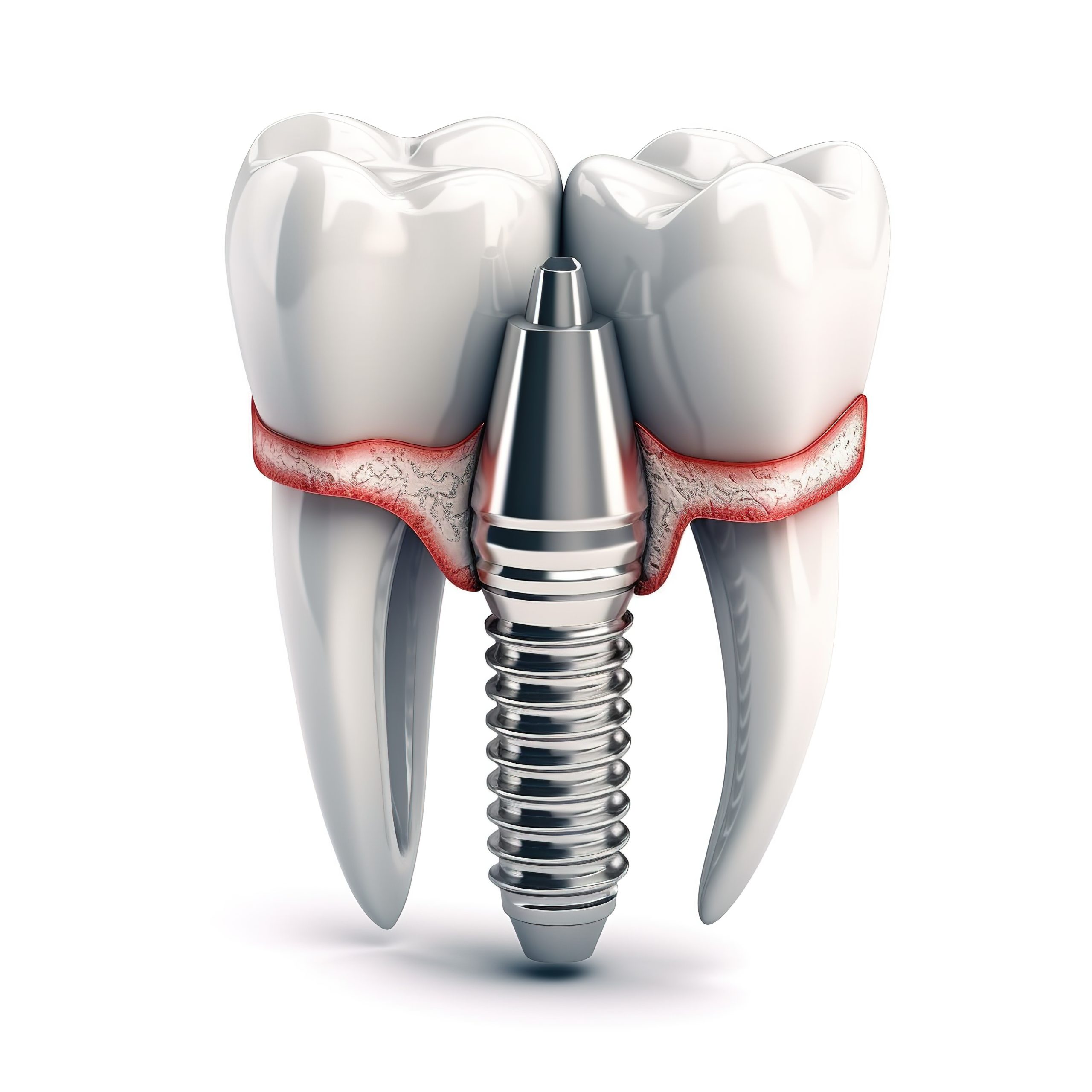
The location or region in which a dental implant procedure takes place can significantly impact the overall cost. Generally, urban areas and regions with a higher cost of living tend to have higher dental service fees compared to rural or less densely populated areas. This is primarily due to the increased overhead costs that dental practices in urban centers may incur, including higher rents, utilities, and salaries for dental professionals and support staff. As a result, patients seeking dental implant procedures in urban areas may expect to pay a premium for the same quality of care compared to those in less populated or rural regions.
Moreover, the local market dynamics and competition within the dental industry can also influence the cost of dental implant procedures. Areas with a higher concentration of dental practices and specialists may experience more intense competition, potentially leading to more competitive pricing and a greater range of options for patients. Conversely, in regions with fewer dental practices, the lack of competition may contribute to higher service fees. Understanding these regional variations in pricing can help individuals make informed decisions about where to undergo their dental implant procedure, balancing quality of care with affordability based on their specific budget and preferences.
On average, what is the cost of a 4 Tooth Implant Bridge, and will dental insurance cover it?
In general, the total cost for a 4-tooth implant bridge procedure can range anywhere from $5,000 to $15,000 per arch, with the possibility of the cost being higher in certain cases that involve additional procedures like bone grafting or sinus lifts.
Regarding dental insurance coverage, it’s essential to consult with the specific insurance provider to understand the extent of coverage for a 4-tooth implant bridge procedure. While some dental insurance plans may offer partial coverage for implant-related procedures, many traditional plans may not fully cover the entire cost of the treatment. Dental insurance policies often have limitations, waiting periods, and exclusions for certain procedures, including dental implants. Additionally, some insurance plans might consider dental implants as a cosmetic procedure rather than a medically necessary one, further limiting coverage options.
However, it’s worth noting that some dental insurance plans may offer coverage for certain aspects of the procedure, such as the initial consultation, diagnostic imaging, or specific components of the treatment plan. To gain a better understanding of what your specific dental insurance plan covers, it’s crucial to communicate directly with the insurance provider and discuss the details of the procedure with your dentist. Additionally, some dental practices may offer financing options, payment plans, or dental discount plans to help patients manage the cost of a 4-tooth implant bridge procedure more effectively.


What are the potential financing options available for individuals considering a 4-tooth implant bridge, and how do these options affect the overall cost in the long run?
There are several financing options available for individuals considering a 4-tooth implant bridge, allowing them to manage the cost of the procedure more effectively. Some common financing options include:
- Dental financing plans: Many dental practices offer in-house financing plans that allow patients to pay for their treatment in installments over an extended period. These plans often come with low or no interest rates, making it more manageable for patients to budget for the cost of the procedure over time.
- Personal loans: Taking out a personal loan from a bank or a financial institution is another option for covering the cost of a 4-tooth implant bridge. Personal loans typically offer competitive interest rates and flexible repayment terms, providing patients with the funds they need upfront and allowing them to pay back the loan over a set period.
- Healthcare-specific credit lines: Some financial institutions offer lines of credit specifically tailored for healthcare expenses, including dental procedures. These credit lines often come with promotional financing options and low-interest rates, enabling patients to cover the cost of the 4-tooth implant bridge while potentially minimizing the overall financial burden.
- Savings and Health Savings Accounts (HSAs): Using personal savings or funds from a Health Savings Account can be a straightforward way to cover the cost of a 4-tooth implant bridge. Utilizing these accounts can help individuals avoid taking on additional debt and potentially reduce the overall long-term financial impact of the procedure.
When considering these financing options, it’s essential to carefully assess the terms and conditions, including interest rates, repayment schedules, and any potential fees or penalties. Understanding the financial implications of each option can help individuals make informed decisions that align with their budget and long-term financial goals. Additionally, consulting with a financial advisor or a dental professional can provide valuable insights and guidance in choosing the most suitable financing option for the 4-tooth implant bridge procedure.