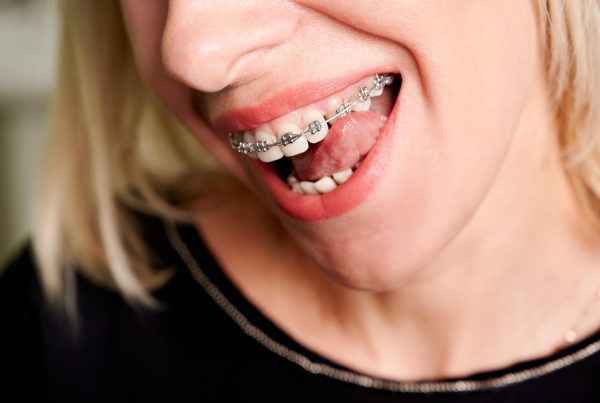
Gray Braces In A Nutshell
Gray dental braces, though not the most common choice among orthodontic patients, have become increasingly popular for those seeking a discreet and understated approach to straightening their teeth. In a world where orthodontic treatment often involves an array of colorful options, gray braces offer a more subdued alternative. These unobtrusive dental fixtures provide individuals with the opportunity to achieve a straighter, healthier smile without drawing excessive attention to their orthodontic journey. In this exploration of gray dental braces, we will delve into their advantages, considerations, and the growing appeal they hold for those looking to align their teeth with subtlety and grace.

What are gray dental braces, and how do they differ from traditional metal braces?
Gray dental braces are a discreet alternative to traditional metal braces that blend seamlessly with the natural color of teeth. While traditional metal braces use stainless steel brackets and wires that are highly visible, gray dental braces employ brackets made from ceramic or composite materials that closely match the shade of one’s teeth. This subtle choice of color makes gray braces less conspicuous and more aesthetically pleasing. Additionally, they offer a less noticeable and less flashy appearance, making them an attractive option for individuals who prefer a more understated approach to orthodontic treatment. Despite the color distinction, gray dental braces function in a similar manner to traditional braces, gradually shifting teeth into proper alignment over time.
Are gray braces less noticeable than other brace colors like bright colors or metallic options?
Yes, gray braces are generally less noticeable than other brace colors like bright or metallic options. The key advantage of gray braces lies in their ability to blend in with the natural color of one’s teeth, making them considerably more discreet. In contrast, brightly colored braces or metallic options tend to draw more attention to the mouth, emphasizing the presence of braces. While personal preferences play a significant role in choosing brace colors, gray braces are often favored by those who prefer a more subtle and inconspicuous appearance during their orthodontic treatment, making them an appealing choice for individuals who want to maintain a lower profile while still achieving a beautiful smile.


What are the advantages of choosing gray dental braces over other colors or materials?
Choosing gray dental braces offers several advantages over other colors or materials for orthodontic treatment. The primary advantage is their discreet appearance, as gray braces blend with the natural color of teeth, making them less conspicuous. This can be particularly appealing for individuals who wish to maintain a more subtle look during their orthodontic journey. Gray braces are also less likely to stain or discolor compared to clear or white options, and they are durable, ensuring their effectiveness throughout the treatment process. Additionally, gray braces are often crafted from high-quality materials that offer both comfort and functionality, making them a practical and attractive choice for those seeking orthodontic treatment with minimal aesthetic impact.
How does the cost of gray dental braces compare to other orthodontic options?
The cost of gray dental braces can vary depending on factors such as location, the specific orthodontist, and the complexity of the individual’s orthodontic needs. In general, gray braces tend to be slightly more expensive than traditional metal braces but are often comparable in cost to clear or ceramic braces. This is because gray braces are typically made from ceramic or composite materials, which are more expensive to produce than metal. However, it’s essential to note that the cost difference may not be significant, and the specific cost will vary from one orthodontic practice to another. Patients interested in gray dental braces should consult with their orthodontist to get a personalized cost estimate and discuss any potential financing or insurance options to make orthodontic treatment more affordable.