Do Root Canals Last Forever?
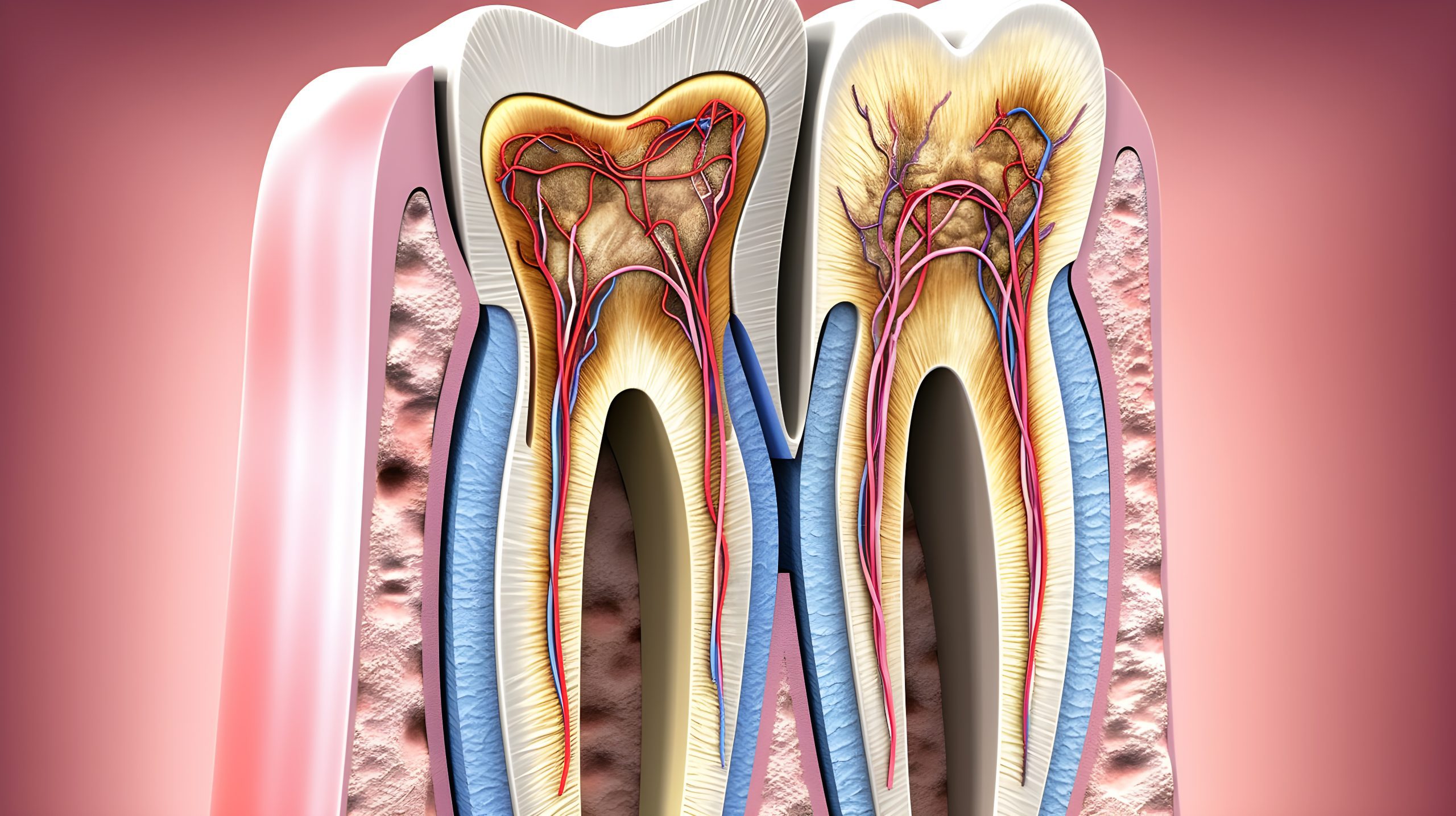
A root canal is a dental procedure designed to save a severely damaged or infected tooth. It involves the removal of the tooth's pulp and nerve, cleaning and disinfecting the inside of the tooth, and sealing it to prevent further infection. The longevity of a root canal-treated tooth depends on various factors, including the patient's oral hygiene, the quality of the dental work, and the location of the tooth. While root canals are often highly successful and can last a lifetime, it's essential to understand that their durability is not indefinite, and several variables can influence how long a root canal lasts. In this article, we will explore these factors and provide insights into maintaining the health and longevity of a root canal-treated tooth.

What is a root canal, and why is it necessary?
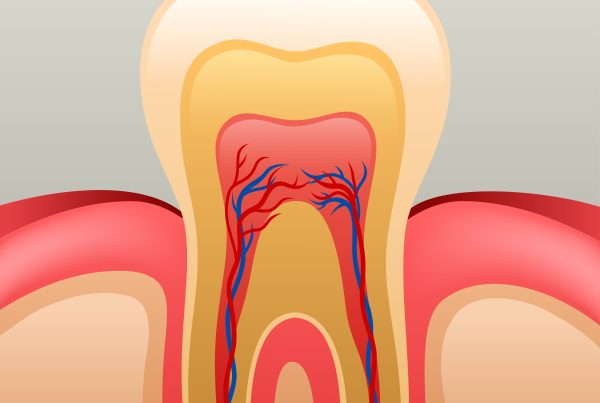
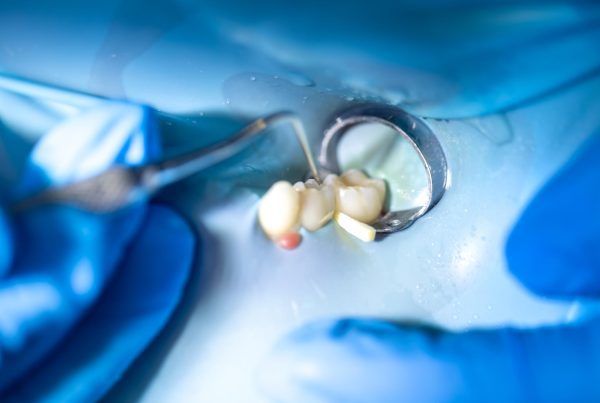
A root canal is a dental procedure aimed at treating an infected or severely damaged tooth. It becomes necessary when the soft tissue inside the tooth, known as the pulp, becomes inflamed or infected, often leading to severe pain and potential tooth loss if left untreated. During the procedure, the dentist or endodontist removes the infected or damaged pulp, cleans the inside of the tooth thoroughly, and then seals it to prevent further infection. Root canals are essential to alleviate the intense pain caused by the infection, preserve the natural tooth, and prevent the spread of the infection to surrounding teeth or the jawbone. By removing the infected tissue and sealing the tooth, a root canal allows patients to retain their natural tooth and regain normal dental function, thereby preventing the need for more invasive tooth replacement options.
How long can a well-done root canal last on average?
The longevity of a well-done root canal can vary depending on several factors. On average, a successful root canal treatment can last a lifetime. However, this is contingent upon various crucial elements, including the patient’s oral hygiene practices, the location of the treated tooth, and the overall quality of the dental work. Additionally, regular dental check-ups and follow-up care are essential to ensure the long-term success of the root canal. It’s important for patients to maintain good oral hygiene, attend regular dental appointments, and promptly address any concerns or issues that may arise with the treated tooth. By adhering to these practices, individuals can increase the likelihood of their root canal lasting for an extended period.

Are there any warning signs that a root canal may be failing?
Yes, there are several warning signs that may indicate a root canal is failing or that complications are arising. Some of these warning signs include:
- Persistent pain or discomfort in the tooth and surrounding area.
- Swelling or tenderness in the gums around the treated tooth.
- Sensitivity to hot or cold temperatures, which may indicate nerve damage or infection.
- The recurrence of an abscess or pimple on the gums near the treated tooth.
- Discoloration of the tooth, which could suggest internal issues.
- The development of a foul taste or odor in the mouth.
- Loosening of the tooth or a feeling of increased mobility.
If any of these symptoms are experienced, it is crucial to consult a dentist promptly for an evaluation. Early detection and intervention can often help prevent further complications and increase the chances of saving the tooth.
Can a tooth that has had a root canal become re-infected?
Yes, it is possible for a tooth that has undergone a root canal treatment to become re-infected. Several factors can contribute to this, including:
- Incomplete removal of the infected tissue during the initial root canal procedure.
- Delayed placement of the crown or restoration, leaving the tooth vulnerable to bacterial recontamination.
- Fractures or cracks in the tooth that can allow bacteria to penetrate the treated area.
- New tooth decay that develops on the surface of the tooth or at the roots.
- Compromised dental restoration or crown that allows bacteria to seep in.
It is crucial for individuals to attend regular dental check-ups and follow the dentist’s recommendations for post-treatment care and maintenance. Promptly addressing any dental issues or concerns and maintaining good oral hygiene practices can significantly reduce the risk of reinfection in a tooth that has undergone a root canal.

Can the location of the treated tooth influence its longevity?
Yes, the location of the treated tooth can indeed influence its longevity. Teeth in different areas of the mouth are subject to varying levels of stress and wear, which can impact the success and durability of a root canal treatment. For instance:
- Back teeth (molars and premolars) generally endure more pressure and force during chewing and biting compared to front teeth. As a result, root canals in these teeth may be more prone to failure if not adequately protected with a dental crown or restoration.
- Teeth that are more difficult to access and clean, such as molars located at the back of the mouth, may be more susceptible to residual bacteria or plaque accumulation, leading to a higher risk of re-infection.
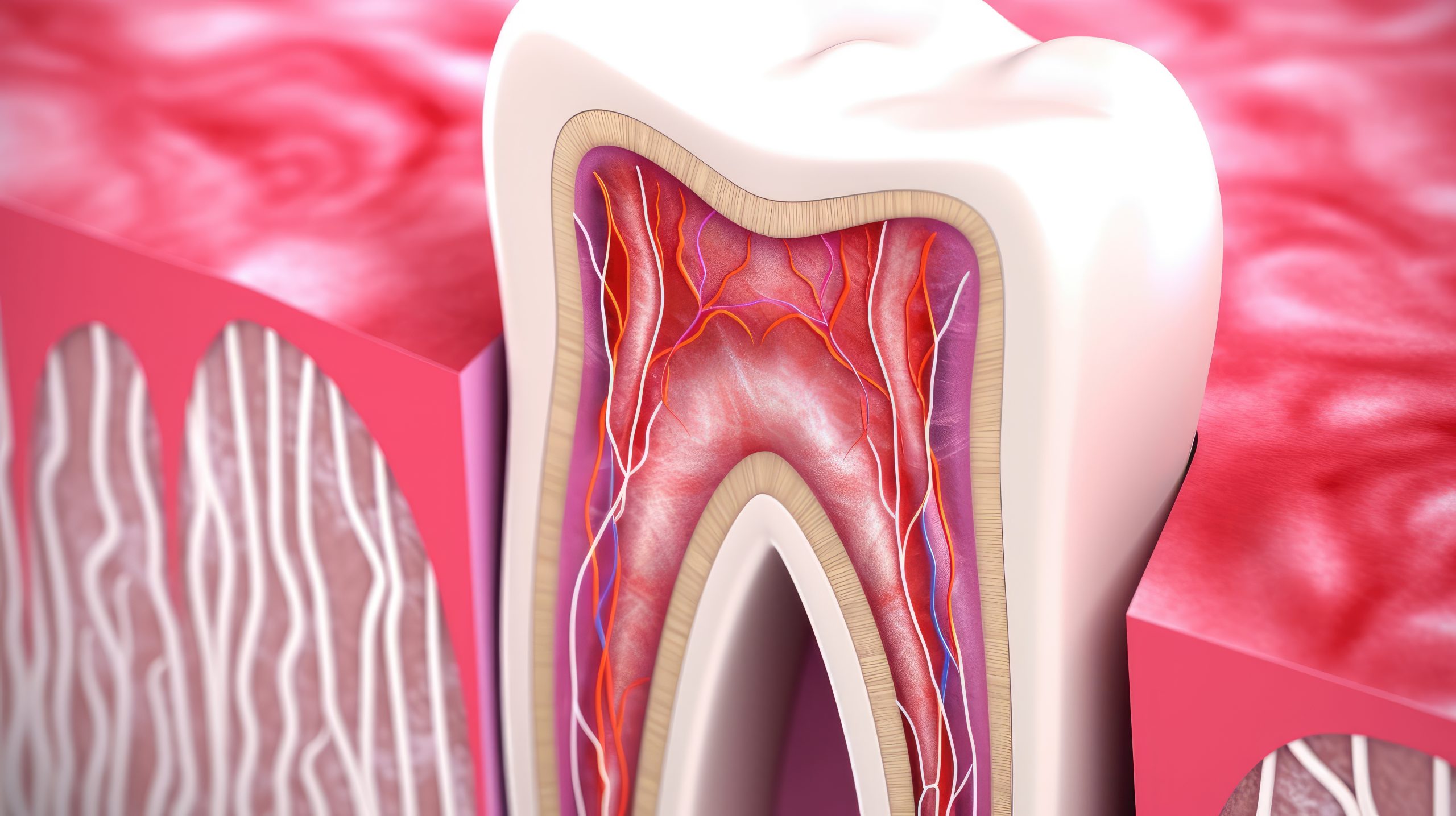
- The complexity of the tooth’s root structure can also play a role. Teeth with intricate root canal systems may present challenges during the initial treatment, potentially leaving behind undetected infected tissue and increasing the likelihood of future complications.
Dentists consider the location of the treated tooth as one of the factors when assessing the prognosis and potential longevity of a root canal. Proper care and maintenance, including regular dental check-ups and adherence to good oral hygiene practices, are essential for preserving the longevity of a root canal-treated tooth, regardless of its location.
Is there any way to predict how long a particular root canal will last, or is it case-specific?
Predicting the exact lifespan of a specific root canal is challenging, as it can vary from one case to another and depends on several factors. The success and longevity of a root canal treatment are influenced by individual circumstances, including the patient’s oral hygiene practices, overall dental health, the quality of the initial treatment, and the location of the treated tooth.
While it may not be possible to precisely predict how long a particular root canal will last, dentists can assess the prognosis based on various clinical and radiographic factors. Factors such as the presence of any residual infection, the integrity of the tooth’s structure, the quality of the restoration, and the patient’s commitment to maintaining good oral hygiene can all contribute to the overall prognosis of the treated tooth.
Regular follow-up appointments with the dentist, along with diligent oral care at home, can help monitor the condition of the treated tooth and address any potential issues early on. By closely adhering to the dentist’s recommendations and maintaining a proactive approach to dental care, patients can maximize the longevity of their root canal treatment.

What steps can patients take to maximize the lifespan of their root canal-treated tooth?
To maximize the longevity of a root canal-treated tooth, patients should prioritize diligent oral hygiene practices, including regular brushing and flossing, as well as using antimicrobial mouthwashes. Additionally, scheduling routine dental check-ups and cleanings allows for timely identification of any potential issues or signs of infection. Avoiding hard or sticky foods that can potentially damage the treated tooth, and promptly addressing any dental trauma or discomfort can also help preserve the integrity of the root canal. Patients should follow their dentist’s post-treatment instructions carefully, which may include the use of protective dental devices and timely replacement of any damaged dental restorations. By maintaining these proactive measures, individuals can enhance the likelihood of their root canal-treated tooth lasting for an extended period.