Is There Pain Associated With Tooth Extractions?
Tooth extraction is one of those dental procedures that can make even the bravest among us feel a little uneasy. The thought of having a tooth pulled can conjure up images of discomfort, pain, and anxiety. But how painful is a tooth extraction, really? At Best Dental, we understand your concerns, and we’re here to walk you through everything you need to know about the procedure, the pain involved, and how to make the experience as comfortable as possible.
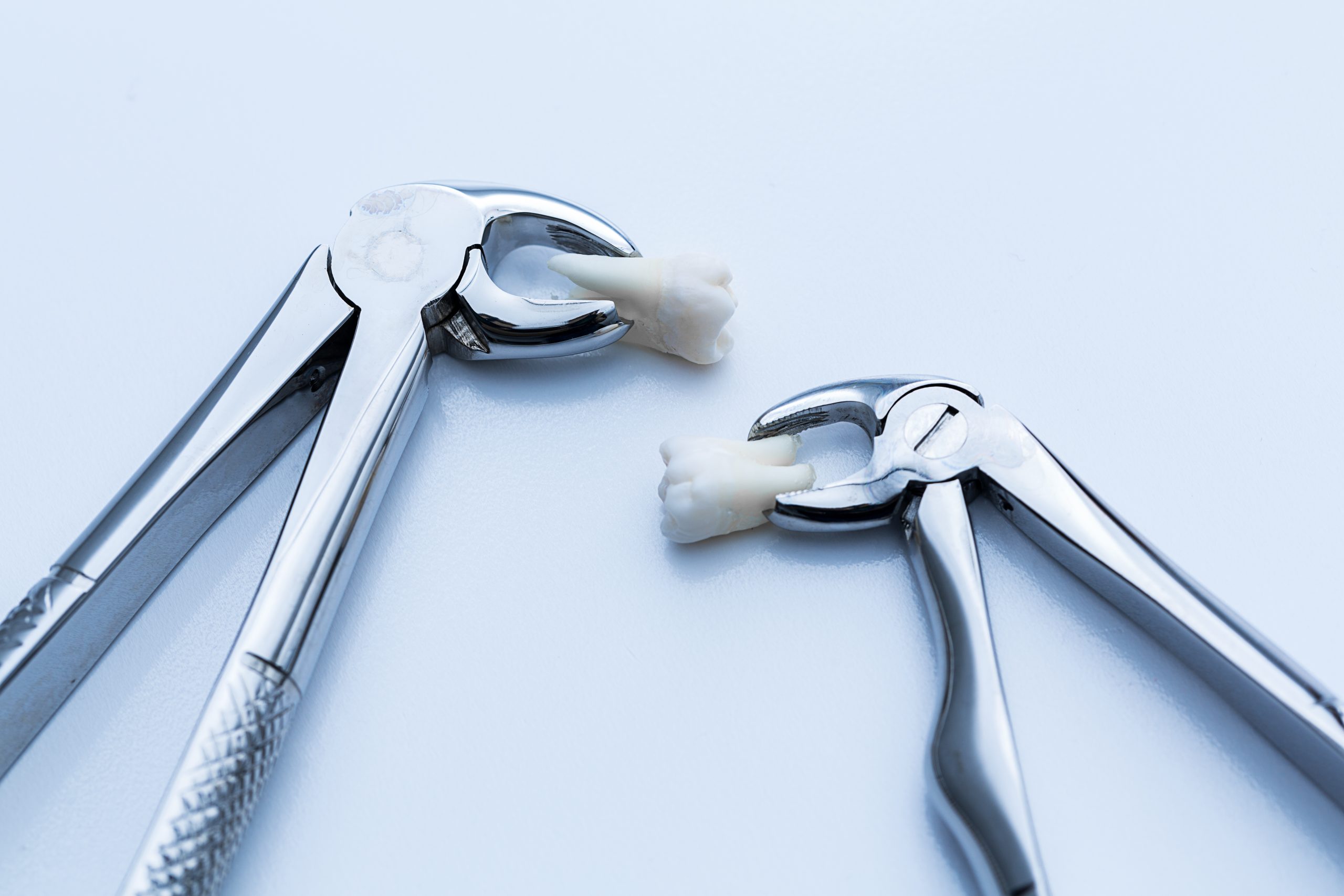
Understanding Tooth Extractions
Before diving into the pain factor, it’s important to understand why tooth extractions are necessary. Extractions are typically recommended for a variety of reasons, including:
- Severe tooth decay or infection that cannot be treated with a filling or root canal.
- Impacted wisdom teeth that are causing pain or crowding.
- Gum disease that has loosened the tooth.
- Orthodontic treatment that requires creating space for teeth to align properly.
- Trauma or injury that has damaged the tooth beyond repair.
While the idea of having a tooth removed might sound daunting, modern dentistry has made the process far more comfortable than you might imagine.
Does a Tooth Extraction Hurt?
The short answer is: it doesn’t have to. Thanks to advancements in dental technology and anesthesia, most patients experience minimal pain during the procedure itself.
However, the level of discomfort can vary depending on several factors, including the complexity of the extraction, your pain tolerance, the skill of the dentist or oral surgeon, and how well you follow post-operative care instructions.


The Tooth Extraction Procedure
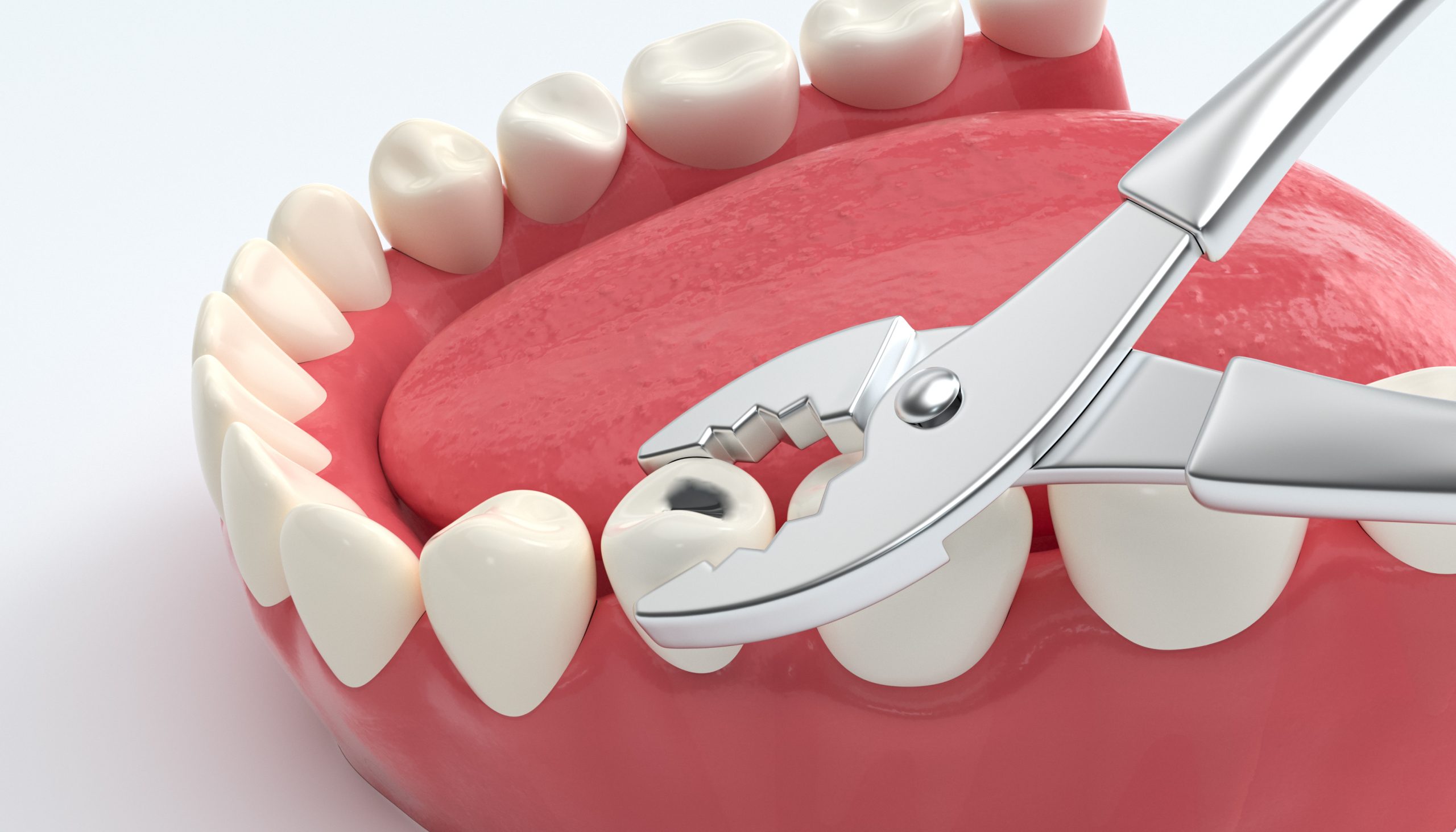
During a tooth extraction, your dentist will administer local anesthesia to numb the area around the tooth. This ensures that you won’t feel any pain while the tooth is being removed. For more complex cases, such as impacted wisdom teeth, sedation options like nitrous oxide (laughing gas) or IV sedation may be used to help you relax and feel more comfortable.
If you’re feeling anxious, don’t hesitate to discuss your concerns with your dentist at Best Dental. We’re here to ensure your experience is as stress-free as possible.
After the Procedure
Once the anesthesia wears off, it’s normal to experience some discomfort, swelling, and mild pain. This is your body’s natural response to the procedure. The good news is that any post-extraction pain is usually manageable with over-the-counter pain relievers like ibuprofen or acetaminophen. Your dentist may also prescribe stronger medication if needed.
The level of pain you experience after the extraction largely depends on:
- The Complexity of the Extraction: Simple extractions, where the tooth is visible and easily removed, tend to be less painful than surgical extractions, which involve cutting into the gum or removing bone.
- Your Pain Tolerance: Everyone’s pain threshold is different. Some people may feel only mild discomfort, while others may experience more noticeable pain.
- Post-Operative Care: Following your dentist’s aftercare instructions is crucial for minimizing pain and promoting healing.
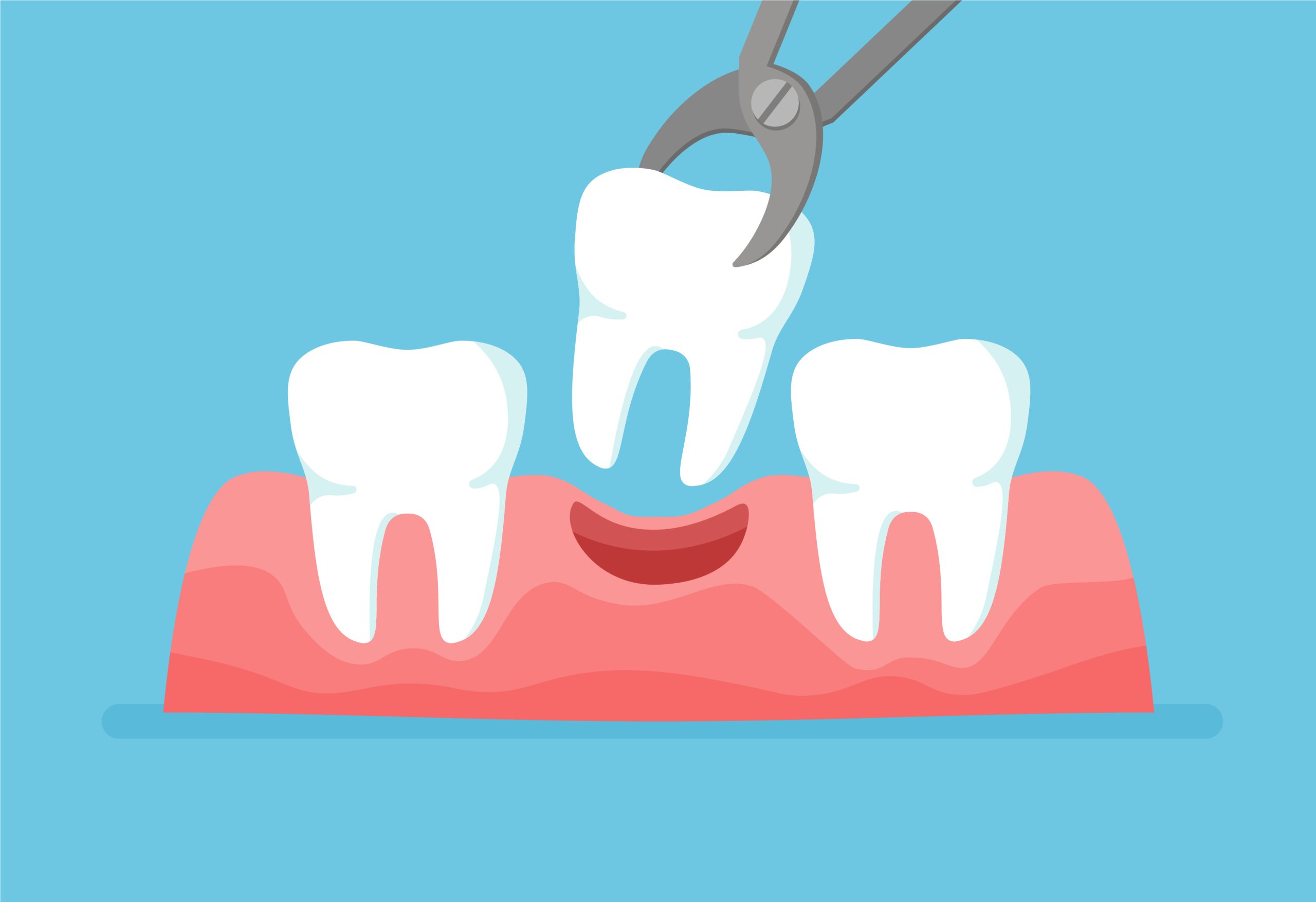
Tips to Minimize Pain After a Tooth Extraction
At Best Dental, we want your recovery to be as smooth as possible. Here are some tips to help reduce pain and speed up the healing process:
- Take Pain Medication as Directed: Over-the-counter pain relievers are usually sufficient, but if your dentist prescribes something stronger, make sure to take it as directed.
- Apply an Ice Pack: Swelling is common after an extraction. Applying an ice pack to the affected area for 15-20 minutes at a time can help reduce swelling and numb the pain.
- Stick to Soft Foods: For the first few days, avoid hard, crunchy, or chewy foods that could irritate the extraction site. Stick to soft foods like yogurt, mashed potatoes, and soup.
- Avoid Straws and Smoking: Sucking on a straw or smoking can dislodge the blood clot that forms in the socket, leading to a painful condition called dry socket.
- Keep the Area Clean: Gently rinse your mouth with warm salt water after the first 24 hours to keep the area clean and prevent infection.
- Rest and Relax: Give your body time to heal by avoiding strenuous activities for at least a day or two.
When to Call Your Dentist
While some pain and discomfort are normal after a tooth extraction, there are certain signs that could indicate a problem. Contact your dentist if you experience:
- Severe pain that doesn’t improve with medication.
- Swelling that worsens after the first 48 hours.
- Signs of infection, such as fever, pus, or a bad taste in your mouth.
- Excessive bleeding that doesn’t stop after applying pressure.

Final Thoughts
So, how painful is a tooth extraction? While the idea of having a tooth pulled might sound scary, the reality is that modern dentistry has made the process far more comfortable than ever before. With the right anesthesia, aftercare, and a trusted dental team like Best Dental by your side, you can get through the procedure with minimal discomfort.
If you’re facing a tooth extraction, don’t let fear hold you back. Contact Best Dental today to schedule a consultation. We’re here to help you achieve a healthy, pain-free smile with care and compassion every step of the way. Your comfort and well-being are our top priorities—because at Best Dental, you’re not just a patient; you’re family.