Simple vs. Surgical Tooth Extractions: Understanding Your Options
When it comes to tooth removal, not all extractions are created equal. Depending on your specific situation, you might need either a simple extraction or a surgical extraction. Understanding the difference between these procedures can help you prepare and know what to expect during your dental visit.

Simple Tooth Extractions
Simple extractions are performed on teeth that are visible in the mouth and can be easily accessed by your dentist. These teeth typically have a straightforward root structure and are not severely damaged below the gum line.
The Procedure
During a simple extraction, your dentist will first numb the area with a local anesthetic. Once the area is numb, they use an instrument called an elevator to loosen the tooth from its socket. Then, dental forceps are used to gently rock the tooth back and forth until it can be removed completely.
Recovery Time
Recovery from a simple extraction is relatively quick. Most patients experience minimal discomfort that can be managed with over-the-counter pain relievers. The initial healing occurs within the first few days, though the socket continues to fill in with new bone tissue over several months.
Common Reasons for Simple Extractions
- Severe tooth decay beyond repair
- Advanced gum disease causing loose teeth
- Crowded teeth requiring orthodontic treatment
- Fractured teeth that cannot be restored
Surgical Tooth Extractions
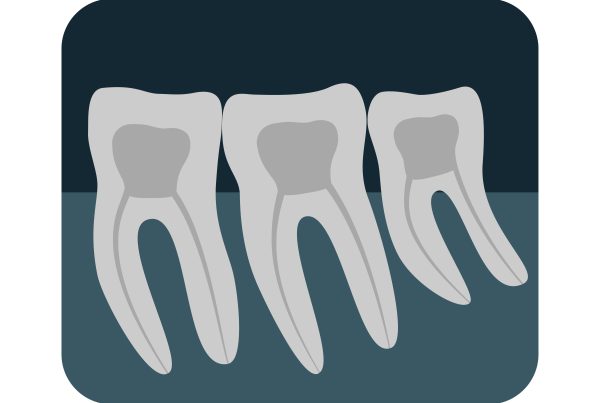
Surgical extractions are more complex procedures required when a tooth cannot be easily accessed or removed. This might be because the tooth is impacted (trapped beneath the gum line), broken at the gum line, or has multiple curved roots.
The Procedure
For surgical extractions, you’ll receive local anesthesia, and possibly sedation to help you relax. The oral surgeon or dentist will make a small incision in your gum to access the tooth. Sometimes, they may need to remove some of the bone surrounding the tooth or cut the tooth into sections to remove it piece by piece.
Recovery Time
Recovery from surgical extractions typically takes longer than simple extractions. Swelling and discomfort are common for the first 48-72 hours. Most patients can return to normal activities within a few days, but complete healing of the socket may take several weeks.
Common Reasons for Surgical Extractions
- Impacted wisdom teeth
- Severely broken teeth
- Failed root canal treatments
- Teeth with unusual root formations
- Teeth affected by bone loss


Key Differences Between Simple and Surgical Extractions
Provider Expertise
Simple extractions can typically be performed by general dentists, while surgical extractions may require an oral surgeon who has specialized training in complex tooth removal.
Complexity and Time
Simple extractions are usually completed in minutes, while surgical extractions can take longer depending on the complexity of the case.
Cost Considerations
Surgical extractions generally cost more than simple extractions due to their complexity and the possible need for additional services like sedation or special imaging.
Aftercare Requirements
After a surgical extraction, you’ll need to follow more detailed aftercare instructions to prevent complications like dry socket, where the blood clot is dislodged from the extraction site.
Cost Differences
Simple Extraction Costs
Simple extractions typically range from $75 to $300 per tooth, with the national average around $150-$200. These costs may vary based on:
- Geographic location (urban areas tend to have higher costs)
- The specific tooth being extracted (front teeth are generally less expensive than molars)
- Whether X-rays are needed (add $25-$150)
- The dentist’s experience and practice overhead
Most general dentists can perform simple extractions, which helps keep costs lower compared to specialist fees.
Surgical Extraction Costs
Surgical extractions are significantly more expensive, ranging from $225 to $750 per tooth. Complex impacted wisdom teeth can cost $350-$550 each. These higher costs reflect:
- Increased procedure complexity
- Longer chair time required
- Additional materials and equipment
- Specialized training of the provider (oral surgeons typically charge more)
- Pre-surgical planning and imaging requirements
For impacted wisdom teeth requiring surgical removal, patients might face a total bill of $1,000-$3,000 for all four wisdom teeth.


Preparing for Your Extraction
Regardless of which type of extraction you need, proper preparation can help ensure a smooth procedure and recovery:
- Provide your dentist with a complete medical history
- Discuss any medications you’re taking
- Ask about pre-procedure dietary restrictions
- Arrange for someone to drive you home if you’ll be sedated
- Prepare soft foods for your recovery period