Dental Implants & Gum Disease
Gum disease is a common concern for many patients considering dental implants, but it doesn’t necessarily mean you can’t achieve the smile you’ve always wanted. While healthy gums and sufficient bone density are essential for successful implant placement, advancements in dental care have made it possible for patients with gum disease to still qualify for implants—with the right treatment plan. In this article, we’ll explore how gum disease affects dental implants, the steps you can take to prepare for the procedure, and why addressing gum health is the first step toward a lasting, confident smile.

How does gum disease affect dental implant success?
Gum disease can significantly impact the success of dental implants because it weakens the gums and bone that support them. When gum disease (periodontitis) is present, it causes inflammation, bone loss, and tissue damage, which can compromise the stability of the implant. For an implant to succeed, it needs a healthy foundation of gum tissue and sufficient bone density to fuse with the implant post. If gum disease is left untreated, it can lead to implant failure, infection, or complications during healing. However, with proper treatment to manage gum disease and restore oral health, many patients can still become good candidates for dental implants. Addressing gum disease before implant placement is crucial to ensuring long-term success and a stable, functional smile.
Is it safe to get dental implants with gum disease?
Getting dental implants with untreated gum disease is generally not safe and can lead to complications. Gum disease (periodontitis) causes inflammation, bone loss, and weakened gum tissue, which are essential for supporting and stabilizing dental implants. Placing an implant in an unhealthy environment increases the risk of infection, implant failure, and poor healing. However, with proper treatment to address and control gum disease, many patients can become suitable candidates for implants. Dentists often recommend periodontal therapy, such as deep cleaning, antibiotics, or even bone grafting, to restore oral health before proceeding with implant placement. By treating gum disease first, patients can significantly improve their chances of a safe and successful implant procedure.


Can gum disease be treated before getting dental implants?
Yes, gum disease can and should be treated before getting dental implants to ensure the best possible outcome. The first step typically involves a thorough evaluation by your dentist or periodontist to assess the severity of the gum disease. Treatment may include scaling and root planing (a deep cleaning procedure to remove plaque and tartar), antibiotics to eliminate infection, and in more advanced cases, surgical treatments to repair damaged gum tissue and bone. For patients with significant bone loss, a bone graft may be necessary to rebuild the jawbone and create a stable foundation for the implant. Once the gum disease is under control and oral health is restored, your dentist can determine if you’re ready for dental implants. Treating gum disease not only improves your eligibility for implants but also enhances the long-term success and durability of the procedure.
Can gum disease cause dental implants to fail?
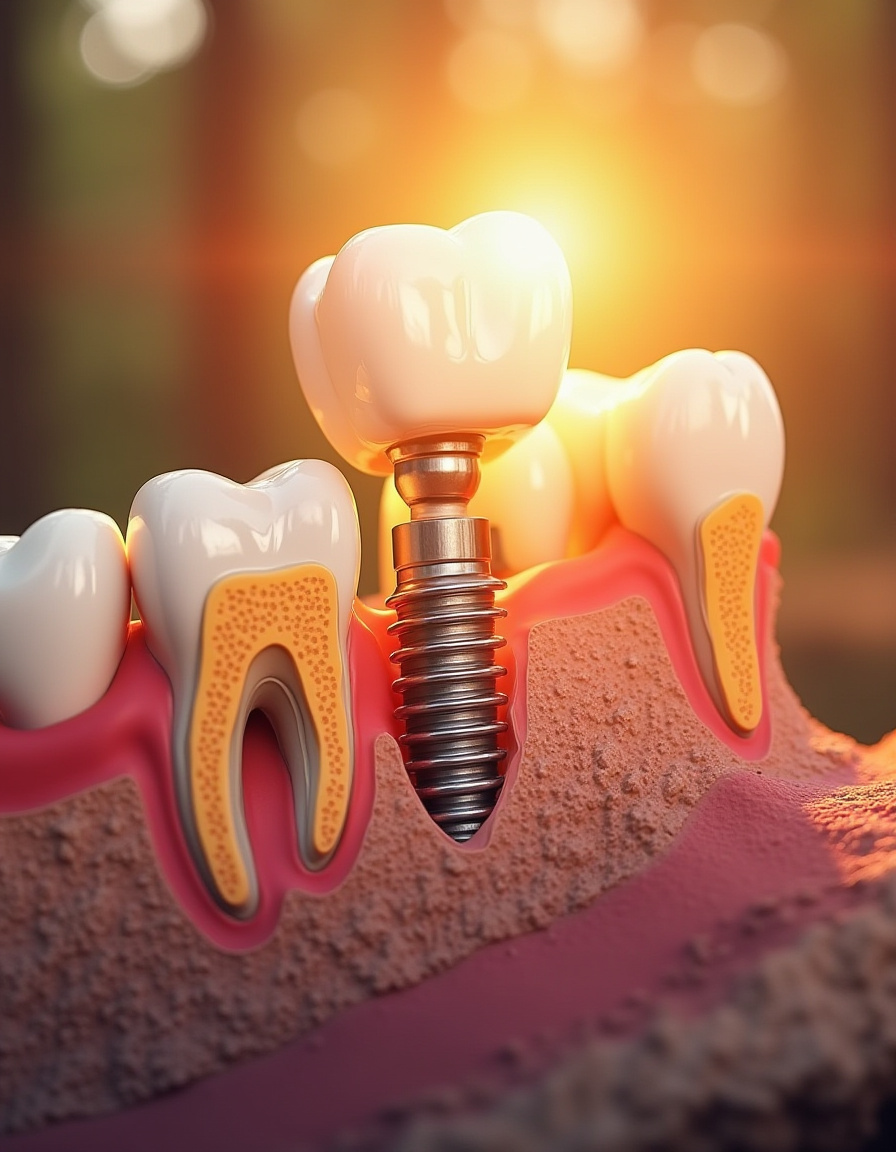
Yes, gum disease can cause dental implants to fail if it is not properly treated before the procedure or if it develops after implant placement. Gum disease (periodontitis) leads to inflammation, infection, and bone loss, which can compromise the stability of the implant. The implant post relies on healthy bone and gum tissue to fuse securely through a process called osseointegration. If gum disease is present, it can disrupt this process, leading to implant loosening, infection (peri-implantitis), or even complete failure. Additionally, untreated gum disease can spread to the surrounding tissues, further jeopardizing the implant’s success. To prevent failure, it’s essential to address gum disease before getting implants and maintain excellent oral hygiene and regular dental checkups afterward. With proper care, the risk of implant failure due to gum disease can be significantly reduced.

Are there alternatives to dental implants if you have severe gum disease?
Yes, there are alternatives to dental implants if you have severe gum disease and are not immediately eligible for implants. One common option is dentures, which can be either partial or full, depending on the number of missing teeth. Dentures are removable and can restore function and appearance without requiring surgery. Another alternative is a dental bridge, which uses adjacent healthy teeth to support a false tooth or teeth. For patients with significant bone loss, mini dental implants may be an option, as they require less bone density than traditional implants. Additionally, implant-supported dentures can provide a more stable solution once gum disease is treated and oral health improves. It’s important to consult with your dentist or periodontist to explore the best option for your specific situation, as treating gum disease should always be the first step to ensure the success of any tooth replacement solution.