Tooth Implants Vs Bridges - An Overview
When faced with the challenge of replacing a missing tooth or multiple teeth, individuals often find themselves at a crossroads, contemplating the choice between two common solutions: dental bridges and dental implants. These dental restorative options are designed to restore not only the aesthetics of a smile but also its functionality. However, they differ significantly in terms of their approach, longevity, and maintenance. This decision is a crucial one, as it can have a lasting impact on one's oral health and overall well-being. In this exploration of dental bridges vs. implants, we will delve into the key distinctions between these two treatment options, helping individuals make an informed choice that best suits their unique circumstances and preferences.

What is the fundamental difference between a dental bridge and a dental implant?
The fundamental difference between a dental bridge and a dental implant lies in how they replace missing teeth and the underlying structures they rely on.
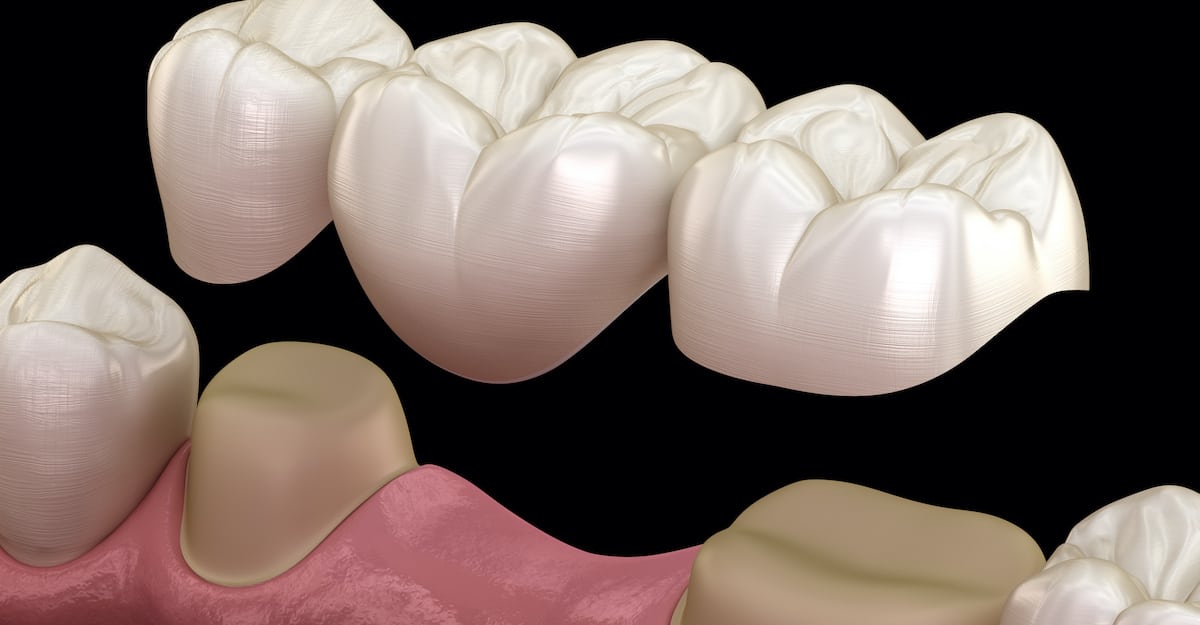
A dental bridge is a fixed dental restoration that typically consists of one or more artificial teeth, known as pontics, suspended between two dental crowns. These crowns are placed over the adjacent natural teeth, known as abutment teeth, which serve as anchors for the bridge. The bridge is essentially a single unit, and it relies on the strength and health of the adjacent teeth to support and stabilize it. Dental bridges are a suitable choice when the adjacent teeth are healthy, have adequate structure, and are capable of supporting the bridge. The procedure is relatively quicker and less invasive compared to dental implants, making it a popular choice for those looking for a more immediate solution to tooth loss.
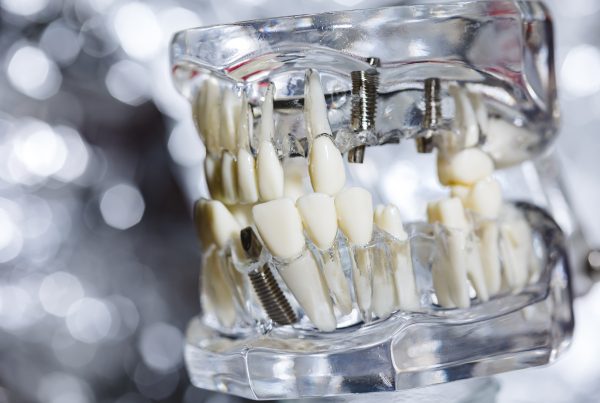
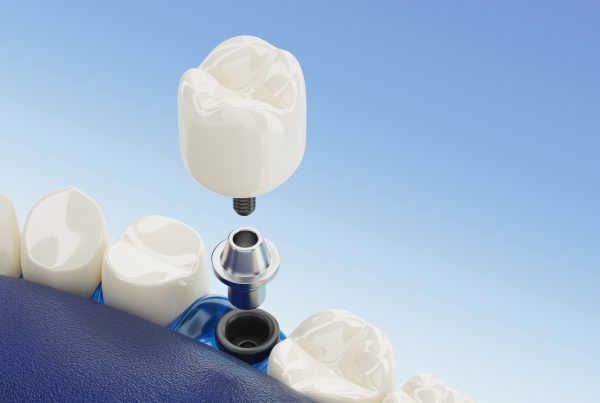
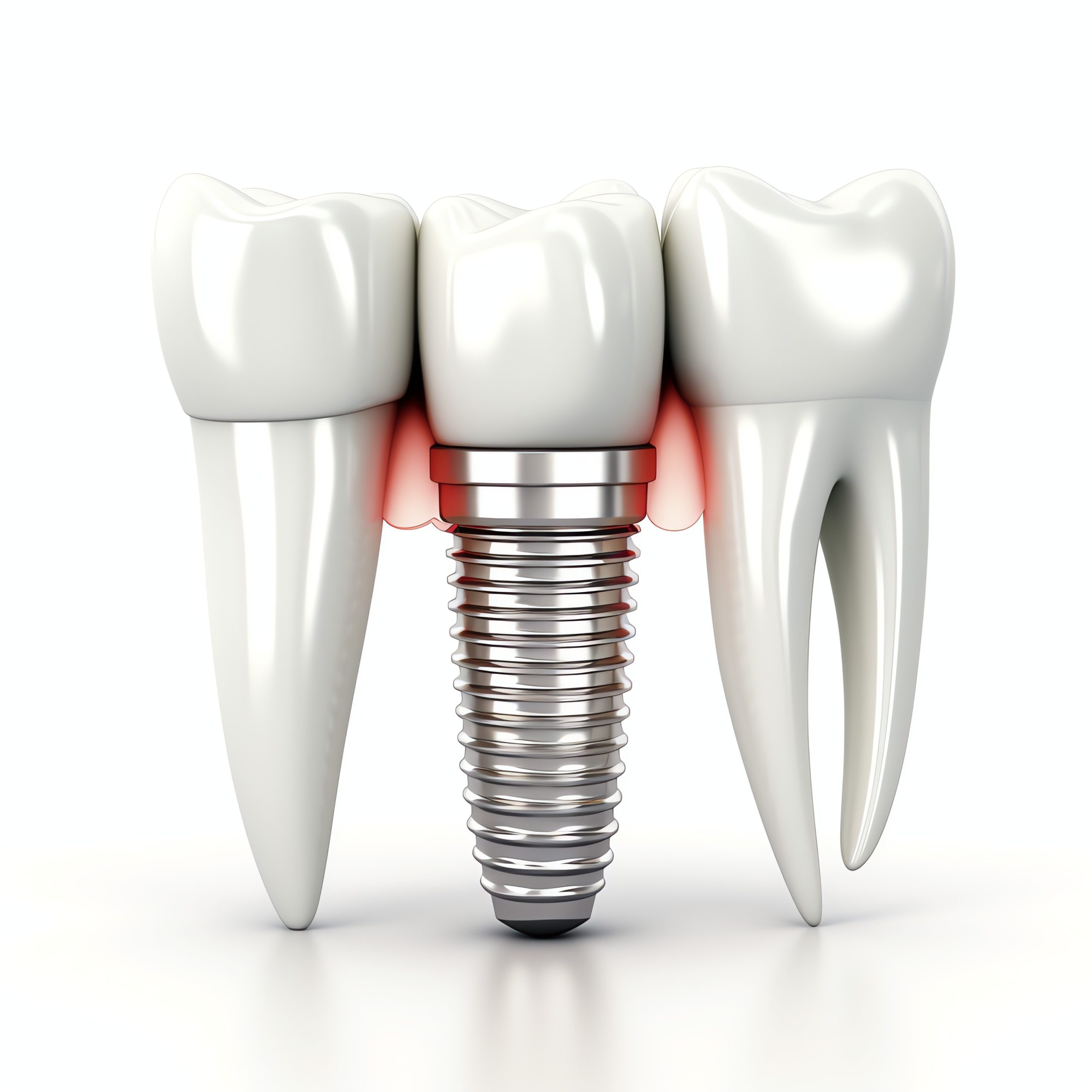
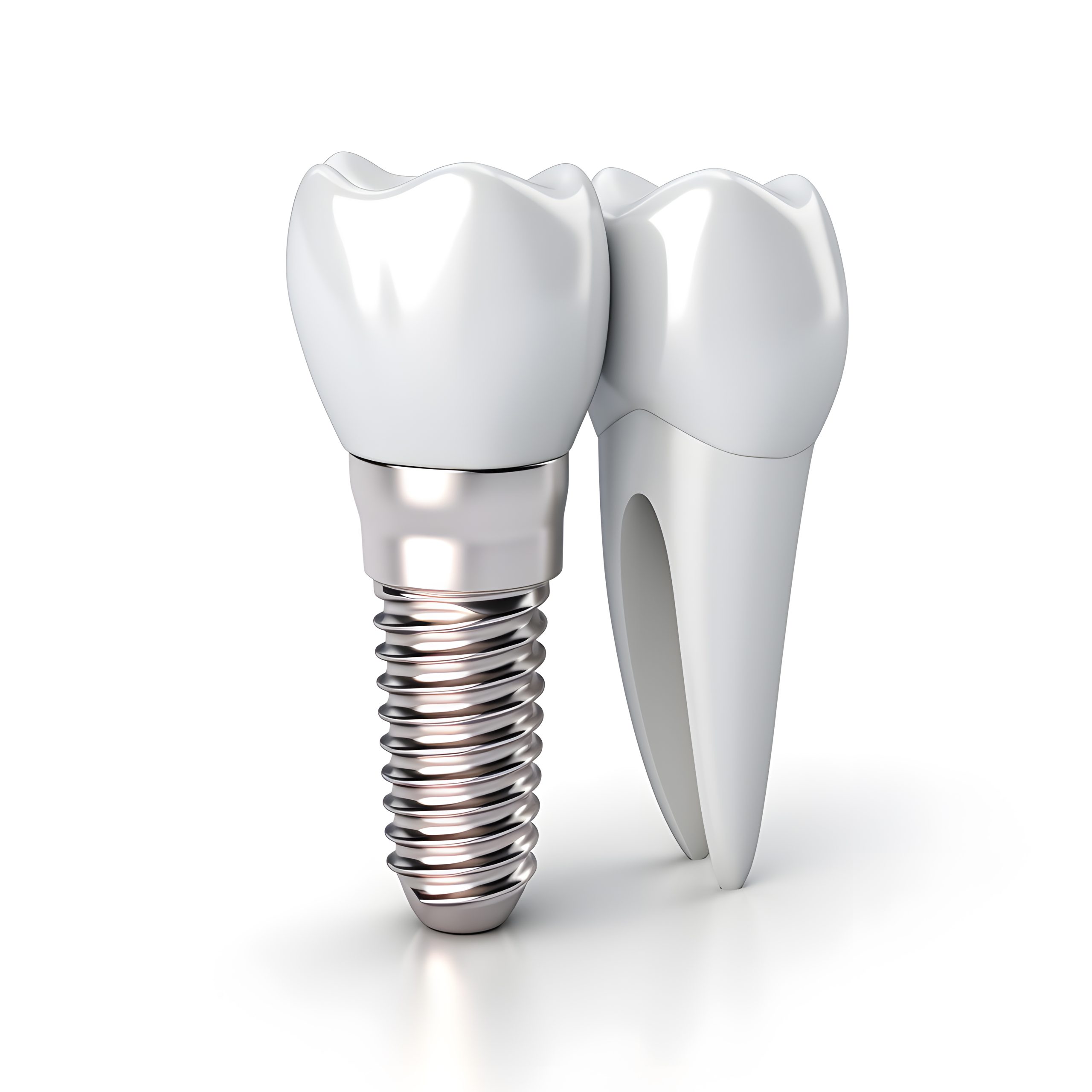
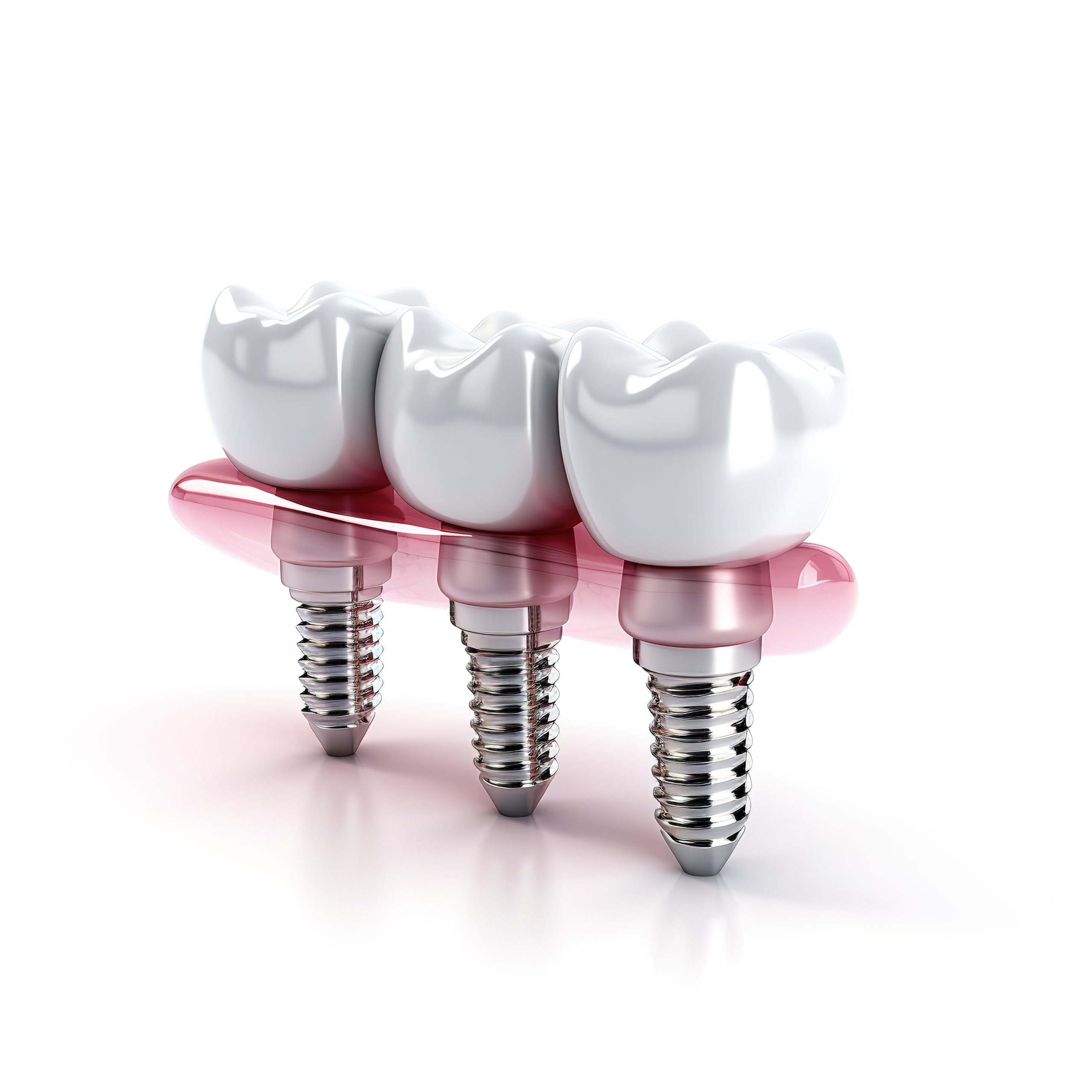
In contrast, a dental implant is a standalone tooth replacement option that involves surgically placing a titanium post (the implant) into the jawbone. Over time, the bone fuses with the implant through a process called osseointegration, creating a stable and permanent foundation for an artificial tooth (crown) to be attached. Dental implants don’t rely on neighboring teeth for support and do not impact adjacent teeth in the same way as bridges. This makes them an ideal choice when the adjacent teeth are weak or compromised, and they also offer the advantage of preserving bone health in the jaw. While the implant process is more complex and time-consuming, it provides a highly durable and long-term solution for tooth replacement.
When is it recommended to choose a dental bridge over a dental implant, and vice versa?
The choice between a dental bridge and a dental implant depends on various factors, and recommendations can vary based on individual circumstances. Here are some general guidelines on when it might be recommended to choose one over the other:
Choose a Dental Bridge When:
- Adjacent Teeth Are Healthy: Dental bridges are a suitable option when the adjacent teeth on either side of the gap are healthy, strong, and can support the bridge without compromising their long-term health.
- Cost is a Concern: Dental bridges are often more cost-effective upfront compared to dental implants. If cost is a significant factor, a bridge may be a more accessible option.
- Time is a Priority: Dental bridges typically require less time to complete, as the procedure is less complex and doesn’t involve the osseointegration process. If you need a quicker solution to tooth loss, a bridge may be preferable.
- Bone Health is an Issue: If the jawbone lacks the necessary density or structure to support a dental implant, a bridge may be the recommended choice as it doesn’t rely on bone integration.
Choose a Dental Implant When:
- Adjacent Teeth are Compromised: If the adjacent teeth are weak, heavily filled, or otherwise compromised, preserving them and opting for dental implants may be the preferred choice as it doesn’t involve altering or relying on adjacent teeth.
- Long-Term Durability is a Priority: Dental implants are known for their durability and longevity. If you’re looking for a solution that can last for decades, dental implants are often recommended.
- Bone Preservation Matters: Dental implants stimulate the jawbone through osseointegration, helping to preserve bone density. If you want to maintain long-term oral health and prevent bone loss, implants are a good choice.
- Aesthetics and Functionality Are Paramount: Implants provide a natural-looking and fully functional replacement for missing teeth. If achieving the closest possible match to your natural teeth is essential, implants are often the recommended option.
Ultimately, the choice between a dental bridge and a dental implant should be made in consultation with a qualified dentist or oral surgeon. They can assess your individual dental health, budget, and aesthetic concerns to provide personalized recommendations tailored to your specific needs and goals.
What are the advantages of dental bridges in terms of cost and procedure time?
Dental bridges offer several advantages in terms of cost and procedure time. One notable advantage is that dental bridges are typically more cost-effective upfront compared to dental implants, making them a more accessible option for many patients. The bridge placement procedure is also generally less complex and time-consuming. It typically involves the preparation of the adjacent teeth and the creation of the bridge, which can be completed in a shorter time frame than the multiple stages required for dental implant placement. This makes dental bridges an attractive choice for individuals who are looking for a more affordable and quicker solution to tooth loss, especially when the adjacent teeth are healthy and suitable for supporting the bridge.
How do dental implants compare in terms of long-term durability and function?
Dental implants are renowned for their exceptional long-term durability and function. They offer a highly stable and permanent solution for tooth replacement. By integrating with the jawbone through osseointegration, dental implants become a part of the patient’s anatomy, providing a robust and sturdy foundation for artificial teeth. This results in outstanding stability and functionality, often mimicking natural teeth so effectively that patients can eat, speak, and smile with confidence. With proper care and maintenance, dental implants can last for several decades, surpassing the longevity of many other dental restorative options. This impressive durability, coupled with the ability to maintain bone health and preserve the integrity of adjacent teeth, makes dental implants a preferred choice for those seeking a reliable, long-lasting solution for missing teeth.

How does the cost of a dental bridge compare to that of a dental implant over the long term?
The cost of a dental bridge is typically lower than that of a dental implant in the short term. Dental bridges are often more affordable upfront because they involve fewer procedures and materials. However, when evaluating the cost over the long term, dental implants can become a more cost-effective option for several reasons:
- Durability: Dental implants are known for their exceptional longevity and can last for decades, while dental bridges may require replacement every 10-15 years.
- Preservation of Adjacent Teeth: Dental bridges require the alteration of adjacent healthy teeth, which can lead to potential issues and additional costs down the line, such as the need for crowns on those teeth.
- Bone Health: Dental implants help preserve bone density in the jaw, which can prevent future oral health complications and additional expenses related to bone loss.
- Maintenance: Dental bridges may require more maintenance and potential repair work over time, whereas dental implants are more self-sustaining with proper care.
While the initial cost of dental bridges may be lower, the long-term cost-effectiveness of dental implants can make them a wise investment for individuals seeking a durable and stable tooth replacement option. It’s essential to consult with a dentist to discuss your specific circumstances, budget, and long-term goals to make an informed decision.
What role does insurance play in covering the costs of dental bridges and implants?
The role of insurance in covering the costs of dental bridges and implants can vary depending on the type of insurance plan and the specific terms of the policy. In many cases, dental insurance plans typically offer some level of coverage for restorative procedures, which may include dental bridges. However, the extent of coverage can vary significantly between plans. It’s essential to check your insurance policy for details regarding coverage limits, deductibles, copayments, and any waiting periods or pre-existing condition clauses that may apply.
Dental implants, on the other hand, often present a more complex situation. While some dental insurance plans may provide limited coverage for implants, it’s common for insurance companies to view dental implants as elective or cosmetic procedures. As a result, the coverage for dental implants may be minimal or even non-existent in many standard dental insurance plans. Patients seeking dental implants may want to explore supplemental dental insurance or discount dental plans specifically designed to help offset the costs of implant procedures. Additionally, it’s advisable to consult with both your dentist and insurance provider to determine the extent of coverage and any potential out-of-pocket expenses associated with dental bridges and implants. Patients may also need to consider alternative financing options or dental savings plans to help manage the costs, especially when insurance coverage is limited.

What are the maintenance and care requirements for dental bridges and implants?
Both dental bridges and implants require regular maintenance and care to ensure their longevity and functionality.
For dental bridges, proper care involves diligent oral hygiene practices, including daily brushing and flossing around and beneath the bridge to prevent plaque buildup and gum disease. Regular dental check-ups are essential to monitor the condition of the bridge and the health of the supporting teeth and gums. Maintaining a balanced diet and avoiding excessive forces on the bridge, such as biting on hard objects, can help prevent damage. In some cases, dentists may recommend the use of special brushes or floss threaders to clean around the bridge effectively.
Dental implants, on the other hand, demand a similar commitment to oral hygiene. Regular brushing and flossing are crucial to keep the implant and surrounding tissues healthy. Since dental implants are independent of adjacent teeth, they do not pose a risk to neighboring tooth enamel. However, patients should avoid smoking or tobacco use and consume alcohol in moderation, as these habits can negatively affect implant success. Routine dental check-ups are also essential for monitoring the condition of the implant and the overall health of the oral tissues. With proper care, both dental bridges and implants can provide excellent longevity and function for many years.
Frequently Asked Questions
What are the factors that influence the candidacy for a dental implant or bridge?
Several factors influence the candidacy for a dental implant or bridge. The primary consideration is the patient’s overall oral health, including the condition of adjacent teeth and the supporting bone structure. For dental implants, adequate bone density and volume in the jaw are critical for successful placement. Patients with significant bone loss may require bone grafting procedures to become suitable candidates. Dental bridges, on the other hand, rely on the health and strength of adjacent teeth, so these teeth should be free from decay, gum disease, or other issues. Other factors include the patient’s general health, which can affect the ability to undergo surgery, and personal preferences, such as the desire for a more permanent solution (implant) or a quicker and more cost-effective option (bridge). Ultimately, a thorough evaluation by a dentist or oral surgeon is necessary to determine which option is best suited to an individual’s unique circumstances.
How does the process of getting a dental bridge differ from that of getting a dental implant?
The process of getting a dental bridge differs significantly from that of getting a dental implant.
Dental Bridge Process:
- Evaluation: The process begins with a thorough examination by a dentist to assess the patient’s oral health and determine the suitability of the adjacent teeth for bridge support.
- Preparation: If the patient is a candidate for a bridge, the adjacent teeth (abutment teeth) on either side of the gap are prepared by removing a portion of their enamel to create space for the bridge. These teeth are then shaped to accommodate crowns that will anchor the bridge.
- Impressions: Impressions of the prepared teeth are taken, and the dental laboratory fabricates the bridge to fit precisely.
- Temporary Bridge: While the permanent bridge is being made, a temporary bridge is placed to protect the exposed teeth.
- Bridge Placement: Once the permanent bridge is ready, it is cemented onto the abutment teeth, effectively filling the gap with artificial teeth. The process is typically completed in a few appointments.
Dental Implant Process:
- Evaluation: Like with dental bridges, the process begins with a comprehensive oral examination to determine a patient’s suitability for dental implants. Factors such as bone density and overall health are assessed.
- Implant Placement: If the patient is a candidate, a surgical procedure is performed to place a titanium implant post into the jawbone. The gum is then stitched up to allow the healing process to begin.
- Osseointegration: Over several months, the jawbone fuses with the implant through a process called osseointegration, providing a strong foundation for the artificial tooth.
- Abutment and Crown: After osseointegration is complete, a connector piece called an abutment is attached to the implant, and a custom-made crown is placed on top. This completes the dental implant restoration, which functions like a natural tooth.
The major differences between the two processes lie in the preparation of adjacent teeth (required for bridges but not for implants), the timeline (bridges are quicker), and the long-term maintenance and bone preservation benefits (typically better with implants). The choice between these two options depends on a patient’s individual circumstances and priorities.
How does the aesthetic outcome of a dental bridge compare to that of a dental implant?
The aesthetic outcome of a dental bridge versus a dental implant can vary depending on individual factors. Dental bridges can provide a visually appealing result, with artificial teeth that closely resemble natural teeth. However, they rely on the support and appearance of the adjacent teeth, which may require some modification and may not be as ideal if those teeth are discolored or have other cosmetic issues. Dental implants, on the other hand, often provide a more lifelike and natural appearance. Since implants are standalone and do not rely on adjacent teeth, they can be customized to match the shape, size, and shade of the patient’s existing teeth, resulting in a seamless and highly aesthetic outcome. Patients who prioritize a natural-looking appearance may find dental implants to be the superior choice.
What are the considerations for patients in terms of comfort and functionality when choosing between these options?
When choosing between dental bridges and dental implants, patients should consider comfort and functionality as crucial factors.
Comfort:
- Dental Bridges: Bridges may affect comfort for some patients because they involve the preparation of adjacent teeth. This process can lead to increased sensitivity in these teeth, especially in the short term.
- Dental Implants: Implants tend to be more comfortable for many patients as they do not involve modifying adjacent teeth. Once the implant is integrated into the bone, it feels very much like a natural tooth, providing a high level of comfort.
Functionality:
- Dental Bridges: Bridges can restore functionality for individuals with missing teeth, allowing them to chew and speak more effectively than with gaps. However, the overall strength of the bridge may be limited by the condition of the supporting teeth.
- Dental Implants: Implants are known for their exceptional functionality, closely mimicking natural teeth. They offer superior chewing efficiency and stability, often exceeding the performance of dental bridges, as they do not rely on adjacent teeth for support.
Ultimately, patients should discuss their specific needs and concerns with their dentist to make an informed decision that aligns with their comfort and functionality preferences. Factors like the condition of adjacent teeth, overall oral health, and individual comfort thresholds play a vital role in choosing the most suitable tooth replacement option.
Are there any potential complications or risks associated with either option?
Both dental bridges and dental implants have associated complications and risks, although they may differ in nature.
Dental Bridge Complications and Risks:
- Tooth Sensitivity: Preparing the adjacent teeth for bridge support can lead to increased tooth sensitivity, especially immediately after the procedure.
- Decay and Gum Disease: Because dental bridges are more challenging to clean than natural teeth, there is a risk of developing decay and gum disease around the bridge.
- Tooth Weakening: The abutment teeth may weaken over time due to the preparation process, potentially necessitating further dental work in the future.
- Bridge Failure: Dental bridges can come loose or fail if the supporting teeth become damaged or decayed, leading to the need for replacement.
Dental Implant Complications and Risks:
- Infection: Infections at the implant site are a potential risk during the healing phase following implant placement.
- Implant Failure: Although rare, dental implant failure can occur if osseointegration is unsuccessful, and the implant doesn’t properly integrate with the jawbone.
- Nerve or Tissue Damage: In rare cases, implant placement may damage adjacent nerves or tissues, resulting in discomfort or altered sensation.
- Long Healing Time: The implant process is more time-consuming, with several months needed for osseointegration, which can be a drawback for patients seeking a quicker solution.
Overall, the risk of complications can be minimized with proper pre-screening, excellent oral hygiene, and regular dental check-ups. Patients should discuss potential risks and complications with their dentist to make an informed decision based on their individual health and preferences.