Smoking And Implant Failure
Smoking is one of the biggest risk factors for dental implant failure, yet many patients are unaware of its full impact. Tobacco use affects the body's ability to heal, weakens the immune system, and reduces blood flow to the gums, all of which are crucial for successful implant integration. Smokers are at a higher risk of complications such as peri-implantitis, bone loss, and implant rejection. Understanding how smoking influences dental implants can help patients make informed decisions and improve their chances of long-term success.

Does smoking increase the risk of dental implant failure?
Yes, smoking significantly increases the risk of dental implant failure. Studies show that smokers have a higher implant failure rate compared to non-smokers due to several factors. Nicotine restricts blood flow, which impairs the healing process and reduces the bone’s ability to integrate with the implant (a process called osseointegration). Smoking also weakens the immune system, making the gums more susceptible to infections like peri-implantitis, which can lead to bone loss and implant failure. Additionally, heat and toxins from cigarette smoke damage the surrounding soft tissues, further compromising implant stability. To improve success rates, dentists often recommend quitting smoking before and after the procedure.
How does nicotine affect bone healing and osseointegration?
Nicotine negatively affects bone healing and osseointegration, the process where a dental implant bonds with the jawbone. It narrows blood vessels, which limits the delivery of oxygen and nutrients to the surgical area, slowing down bone regeneration and compromising the stability needed for the implant. This reduced blood flow also hampers the production of osteoblasts—cells that promote bone growth—resulting in delayed or incomplete healing. If osseointegration is inadequate, the implant can become loose and may eventually fail. Moreover, nicotine exposure has been linked to an increase in inflammatory markers, which further hinders the healing process and raises the risk of complications.

What is peri-implantitis, and why are smokers more prone to it?
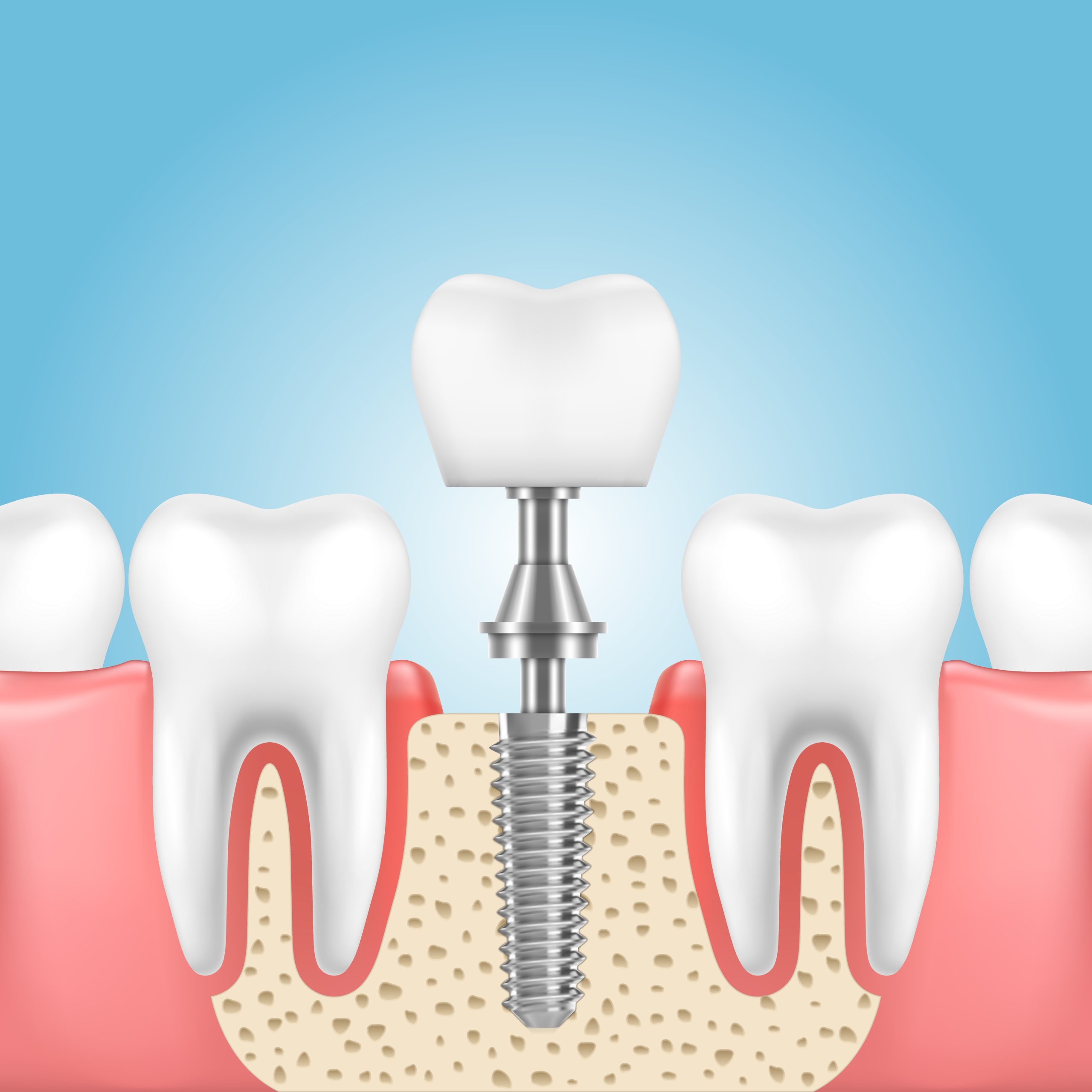
Peri-implantitis is a serious inflammatory condition that impacts the tissues surrounding a dental implant, resulting in gum infections, bone loss, and the risk of implant failure. Smokers face a significantly higher risk of developing peri-implantitis due to the detrimental effects of tobacco on the immune system and the balance of oral bacteria. Smoking hampers the body’s ability to combat infections by suppressing immune responses, which allows harmful bacteria to flourish around the implant. Additionally, smoking reduces saliva production, making the mouth more vulnerable to bacterial accumulation, which can speed up gum inflammation and bone deterioration. If peri-implantitis is not addressed promptly, it can lead to substantial bone loss and may necessitate the removal of the implant, making it one of the most serious complications linked to smoking and dental implants.
How does smoking impact gum health and blood circulation around implants?
Healthy gums and adequate blood circulation are essential for dental implant success, but smoking compromises both. The chemicals in tobacco cause vasoconstriction, narrowing blood vessels and restricting the oxygen and nutrients needed for tissue repair. This reduced blood flow weakens the gum tissues, making them more prone to infections, delayed healing, and recession. As a result, the gums may not properly seal around the implant, leaving gaps where bacteria can accumulate and cause inflammation. Over time, the lack of proper blood supply also contributes to tissue breakdown and bone loss, both of which can lead to implant instability and failure. Smokers are more likely to experience gum recession, which exposes the implant structure and increases the risk of complications such as peri-implantitis.


Are vaping and smokeless tobacco safer alternatives for dental implants?
While vaping and smokeless tobacco are often marketed as safer alternatives to smoking, they still pose significant risks to dental implants. Vaping liquids often contain nicotine, which has the same negative effects on blood circulation and bone healing as traditional cigarettes. Additionally, the chemicals in e-cigarette aerosols can cause inflammation in the gum tissues, increasing the likelihood of implant complications. Smokeless tobacco, such as chewing tobacco, contains harmful substances that can irritate the gums, contribute to gum recession, and increase the risk of infections. Even though these alternatives eliminate the direct exposure to cigarette smoke, they still compromise oral health and can negatively affect implant success. For the best chances of implant longevity, it is recommended to avoid all forms of tobacco and nicotine products.
Can smoking cause implant rejection, and if so, how?
Yes, smoking can lead to dental implant rejection by disrupting the body’s natural healing processes and heightening the risk of infection. When an implant is placed, the surrounding bone must fuse with it through a process called osseointegration. However, smoking impairs this process by limiting blood flow and decreasing oxygen supply to the bone and soft tissues. If healing is inadequate, the body may view the implant as a foreign object and fail to integrate it, resulting in instability or outright rejection. Furthermore, smoking contributes to inflammation and increases the likelihood of peri-implantitis, both of which can lead to implant rejection over time. In severe cases, prolonged exposure to tobacco toxins can cause bone loss around the implant, preventing it from staying securely in place. To reduce the risk of implant rejection, dentists strongly recommend quitting smoking before implant surgery and maintaining a smoke-free lifestyle afterward.