Is A Dental Bone Graft Necessary?
A dental bone graft is a surgical procedure used to rebuild or augment bone tissue in the jaw, typically necessary for patients who have experienced bone loss due to periodontal disease, injury, or tooth extraction. While it may seem daunting, a dental bone graft can offer significant benefits, such as providing a stable foundation for dental implants or restoring facial structure. However, determining whether a dental bone graft is worth it involves considering various factors, including the individual's oral health needs, desired outcomes, and potential risks. By consulting with a knowledgeable dentist or oral surgeon and weighing the pros and cons, individuals can make informed decisions about whether a dental bone graft is the right option for them.

What is the downside of bone graft?
While bone grafting is a commonly performed procedure with generally favorable outcomes, there are some potential downsides and risks to consider. One significant downside is the possibility of complications during or after the surgery. These complications may include infection at the graft site, inadequate integration of the graft material with existing bone, or damage to nearby structures such as nerves or blood vessels. Additionally, there is a risk of the body rejecting the graft material, although this is relatively rare with modern grafting techniques and materials. Patients should be aware that these complications can prolong the healing process and may necessitate additional treatment or revision surgery.
Another downside of bone grafting is the potential for discomfort or pain during the recovery period. Following the procedure, patients may experience swelling, bruising, and discomfort at the graft site. While pain medication and other measures can help manage these symptoms, the recovery process can still be uncomfortable for some individuals. Furthermore, the healing time for a bone graft can vary depending on factors such as the size of the graft, the patient’s overall health, and the specific techniques used during surgery. Patients should be prepared for a potentially lengthy recovery period during which they may need to adhere to dietary restrictions, avoid strenuous activities, and attend follow-up appointments to monitor healing progress.
Do I really need a dental bone graft?
Whether or not you need a dental bone graft depends on various factors, including the extent of bone loss in your jaw, your overall oral health goals, and the specific dental treatment you are seeking. If you are considering dental implants to replace missing teeth but lack sufficient bone density in your jaw, a bone graft may be necessary to provide a stable foundation for the implants. Additionally, if you have experienced bone loss due to periodontal disease, trauma, or tooth extraction, a bone graft may be recommended to restore bone volume and maintain proper oral function and aesthetics. Consulting with a qualified dentist or oral surgeon is essential to assess your individual situation, discuss treatment options, and determine whether a bone graft is necessary to achieve your desired outcomes.

Are dental bone grafts usually successful?
Yes, dental bone grafts are generally successful procedures with high rates of success. Modern techniques and advancements in materials have significantly improved the outcomes of bone grafting procedures. Success rates can vary depending on factors such as the individual’s overall health, the location and size of the graft, the quality of the bone graft material used, and the skill of the dental professional performing the procedure. However, studies have shown success rates for dental bone grafts to be typically well above 90%, with many patients experiencing successful integration of the graft material with their existing bone, leading to improved oral function and aesthetics. It’s important for patients to follow post-operative care instructions provided by their dentist or oral surgeon to maximize the chances of a successful outcome.
What happens if I get a bone graft but no implant?
If you undergo a bone graft procedure but do not proceed with dental implant placement, the bone graft itself will typically still integrate with your existing bone tissue to some extent. However, without the presence of an implant to stimulate and stabilize the grafted area, the bone may not achieve its maximum potential for volume and density restoration.
In such cases, the bone graft may still provide some benefits, such as preserving jawbone structure and preventing further bone loss. It can also serve as a foundation for potential future dental implant placement if you decide to pursue it later on. However, the overall effectiveness of the bone graft may be limited without the presence of an implant to fully utilize and support the newly grafted bone tissue.
Ultimately, the decision to proceed with dental implant placement after a bone graft is a personal one and should be made in consultation with your dentist or oral surgeon, taking into account your oral health needs, treatment goals, and overall dental care plan.
What are the alternatives to bone grafts?
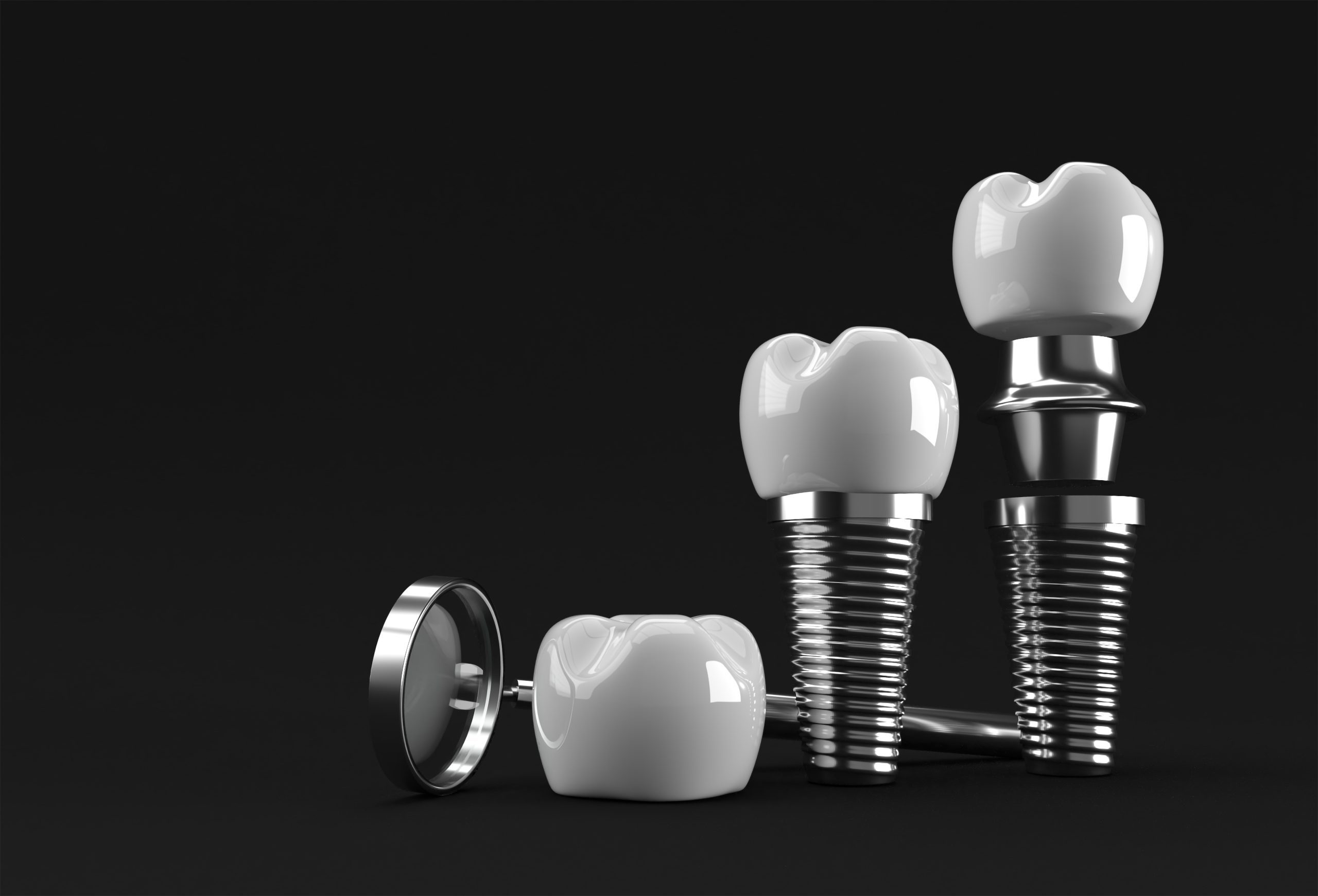
There are several alternatives to bone grafts for individuals who lack sufficient bone volume for dental implant placement or other restorative procedures. Some of these alternatives include:
- Short implants: Short dental implants are designed for placement in areas with limited bone height. They can provide support for dental restorations without requiring as much bone volume as traditional implants.
- Mini dental implants: Mini implants are smaller in diameter than standard implants and can be used in situations where there is insufficient bone width. They are often less invasive and may not require as much bone augmentation as traditional implants.
- Zygomatic implants: Zygomatic implants are longer implants that are anchored in the zygomatic bone (cheekbone) rather than the jawbone. They are suitable for patients with severe bone loss in the upper jaw who may not be candidates for traditional implants or bone grafting.
- All-on-4 or All-on-6 implants: These implant-supported restorations use fewer implants strategically placed in areas of the jaw with better bone density to support a full arch of prosthetic teeth. They can sometimes eliminate the need for bone grafting by utilizing available bone more efficiently.
- Bone regeneration techniques: Instead of traditional bone grafting, certain bone regeneration techniques, such as guided bone regeneration (GBR) or ridge augmentation, can help stimulate new bone growth in deficient areas of the jawbone.
- Removable dentures or bridges: For some individuals with extensive bone loss or who are not suitable candidates for implant-based solutions, removable dentures or bridges can provide functional and aesthetic replacements for missing teeth without the need for bone augmentation.
The most suitable alternative will depend on factors such as the extent of bone loss, the location of missing teeth, overall oral health, and patient preferences. Consulting with a qualified dentist or oral surgeon can help determine the most appropriate treatment option for your specific situation.

How long can you wait to get a bone graft after tooth extraction?
The timing for bone grafting after tooth extraction can vary depending on several factors, including the extent of bone loss, the specific dental treatment plan, and individual healing capacity. In general, it’s often recommended to perform a bone graft at the time of tooth extraction or shortly thereafter to preserve the bone volume and minimize the need for additional procedures.
However, bone grafting can be performed at any time following tooth extraction, even months or years later. The bone in the extraction site naturally begins to resorb once the tooth is removed, so the longer you wait to undergo a bone graft, the more bone volume may be lost. Additionally, waiting too long after extraction may lead to changes in the surrounding bone structure, making it more challenging to achieve optimal results with bone grafting.
Ideally, if you anticipate needing a bone graft after tooth extraction, it’s best to discuss this with your dentist or oral surgeon early in the treatment planning process. They can evaluate your specific situation and recommend the most appropriate timing for the bone graft to ensure the best possible outcome for your dental health and restoration.