The Safety Of Sedation Dentistry - An Overview
Sedation dentistry, a practice increasingly utilized in the field of modern dentistry, offers a viable solution for individuals with dental anxiety or those undergoing complex procedures. It involves the use of medication to help patients relax during dental treatments. While the idea of being sedated during a dental procedure might raise concerns for some, when administered by trained professionals in a controlled environment, sedation dentistry is generally considered safe. However, like any medical procedure, it carries certain risks that are usually minimal when proper protocols and guidelines are followed. Understanding the various types of sedation and their associated safety measures can provide reassurance to patients seeking this option for a more comfortable and stress-free dental experience.

What types of sedation are commonly used in dentistry, and how do they differ in terms of safety?
In dentistry, several types of sedation are commonly used to help patients feel more relaxed and comfortable during dental procedures. These sedation methods vary in their level of sedation and safety considerations:
- Nitrous Oxide (Laughing Gas): This is one of the mildest forms of sedation used in dentistry. It involves inhaling a mixture of nitrous oxide and oxygen through a mask placed over the nose. Nitrous oxide is fast-acting and provides mild relaxation. It’s considered safe, and its effects wear off quickly once the mask is removed, allowing patients to resume normal activities without lingering sedative effects.
- Oral Sedation: Dentists may prescribe oral sedatives, usually in the form of pills, taken prior to the dental procedure. These medications, such as Valium or Halcion, induce a higher level of sedation than nitrous oxide. While generally safe, oral sedation can have stronger effects and may cause drowsiness that lasts for several hours after the procedure.
- IV Sedation: Intravenous (IV) sedation involves administering sedative medications directly into the bloodstream through a vein. It allows the dentist to adjust the level of sedation more precisely throughout the procedure. IV sedation induces a deeper level of sedation than nitrous oxide or oral sedation. It requires close monitoring and is generally safe when administered by a trained professional.
- General Anesthesia: This is the deepest form of sedation, rendering the patient unconscious. It’s typically reserved for more complex dental procedures or for patients with severe dental anxiety or special needs. General anesthesia requires careful monitoring and is often performed in a hospital or surgical setting with an anesthesiologist present due to its higher risks.
In terms of safety, each type of sedation has its own considerations:
- Nitrous oxide is considered very safe when administered by trained professionals. Its effects wear off quickly, allowing patients to drive themselves home after the procedure.
- Oral sedation is generally safe, but it may cause more prolonged drowsiness and requires the patient to arrange transportation to and from the dental office.
- IV sedation is safe when administered by properly trained dental professionals who can monitor the patient’s vital signs throughout the procedure. Close monitoring and appropriate equipment are necessary.
- General anesthesia carries a higher level of risk due to its deeper sedative effects and the need for more extensive monitoring. It’s typically reserved for complex procedures and necessitates specialized training and equipment.
The safety of each sedation method largely depends on the patient’s health status, individual response to medications, and the expertise of the dental team administering the sedation. Proper evaluation of the patient’s medical history and adherence to safety protocols are crucial in ensuring the safe use of sedation in dentistry.
Are there any specific health conditions or medications that might increase the risks associated with dental sedation?
Yes, several health conditions and medications can potentially increase the risks associated with dental sedation. Patients with respiratory problems such as sleep apnea, chronic obstructive pulmonary disease (COPD), or severe asthma may be at higher risk, particularly with certain sedation methods that can affect breathing. Additionally, individuals with cardiovascular issues, such as uncontrolled hypertension or a history of heart disease, might face increased risks during sedation. Medications like blood thinners, certain antidepressants, or drugs that depress the central nervous system can also interact with sedatives, potentially intensifying their effects or causing adverse reactions. It’s crucial for patients to provide a comprehensive medical history to their dentist and discuss any medications they are taking to ensure the safe use of sedation during dental procedures. The dentist can then evaluate the potential risks and choose the most appropriate sedation method or adjust the treatment plan accordingly to minimize complications.

What safety measures and protocols are in place to monitor patients during and after sedation?
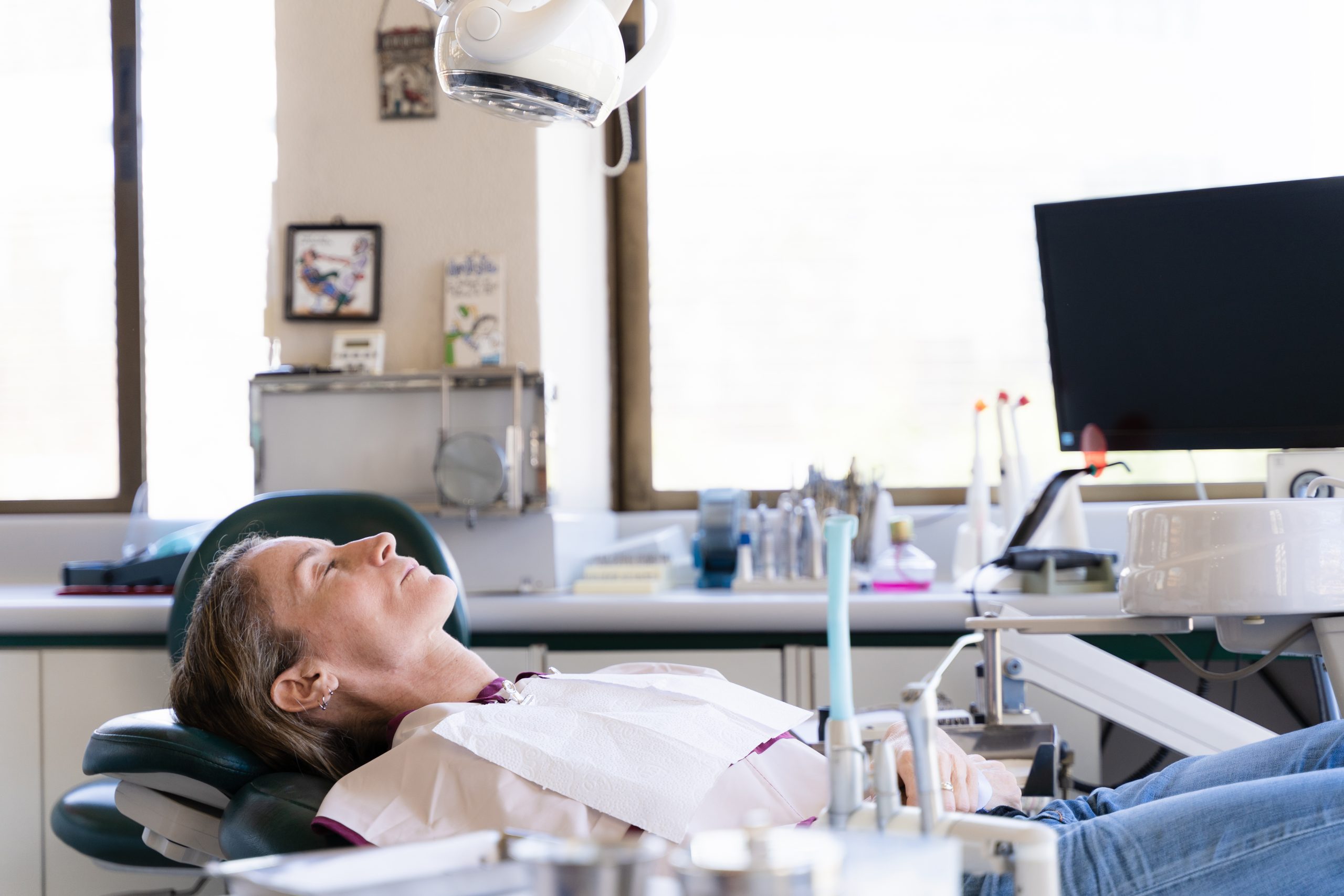
Dental offices that offer sedation dentistry follow stringent safety measures and protocols to monitor patients closely throughout the sedation process and post-procedure recovery. During the procedure, trained dental professionals continuously monitor vital signs such as blood pressure, pulse rate, oxygen saturation, and respiratory rate. They also use equipment like pulse oximeters and electrocardiograms to track the patient’s physiological responses. Proper emergency equipment and medications are readily available in case of any unexpected complications. After the procedure, patients are observed until they are fully alert and stable before being discharged. Detailed post-operative instructions are provided to ensure proper recovery, and patients are usually accompanied by a responsible adult to drive them home safely following the sedation. Follow-up communication may also be scheduled to monitor the patient’s recovery progress and address any concerns that may arise post-procedure.
What emergency procedures are available in case of an adverse reaction or complication during sedation?
Dental offices offering sedation dentistry are equipped with emergency protocols and equipment to manage adverse reactions or complications that may occur during sedation. If a patient experiences an adverse reaction, such as an allergic response or excessive sedation, the dental team is trained to respond promptly. Emergency medications to reverse the effects of sedation, such as flumazenil for benzodiazepines or naloxone for opioids, are available. Additionally, emergency airway equipment, including oxygen masks, airway adjuncts, and suction devices, is on hand to manage respiratory issues. Dental professionals are trained in Basic Life Support (BLS) or Advanced Cardiac Life Support (ACLS), enabling them to perform life-saving measures, such as cardiopulmonary resuscitation (CPR), if necessary. The goal is to ensure the dental office is prepared to handle emergencies swiftly and effectively to ensure patient safety.

What dental procedures is it safe to perform sedation dentistry on?
Sedation dentistry can be safely used for a variety of dental procedures, including:
- Routine Dental Cleanings and Exams: Sedation can help anxious patients undergo regular check-ups and cleanings more comfortably.
- Fillings and Restorative Procedures: Sedation may be used for dental fillings, crowns, and other restorative treatments to enhance patient comfort.
- Extractions, Including Wisdom Teeth Removal: Sedation is commonly employed for the extraction of wisdom teeth or other challenging extractions to ensure a relaxed experience.
- Dental Implant Placement: Sedation can be used during the surgical placement of dental implants to help patients remain calm and comfortable.
- Root Canal Therapy: Sedation may be recommended for patients undergoing root canal procedures to ease anxiety and enhance relaxation.
- Orthodontic Procedures: Sedation may be considered for certain orthodontic procedures, especially if they involve oral surgery or are expected to cause discomfort.
- Complex or Lengthy Dental Procedures: For more extensive treatments that may take a longer time to complete, sedation can help patients stay calm and relaxed throughout the process.
It’s important to note that the decision to use sedation during dental procedures depends on various factors, including the patient’s health, anxiety level, and the nature of the dental work. Dentists will carefully evaluate each case and discuss the appropriate sedation options with the patient before proceeding. Always consult with your dentist to determine the most suitable approach for your specific situation.


Sedation Dentistry Is Safe Under The Right Clinician
In conclusion, sedation dentistry has proven to be a generally safe and effective option for individuals who experience anxiety or fear related to dental procedures. When administered by qualified and experienced professionals, sedation techniques, such as oral sedatives, intravenous sedation, or nitrous oxide, can help create a more comfortable and stress-free dental experience. It is crucial for patients to communicate openly with their dentists about their medical history, any medications they may be taking, and any concerns they have before undergoing sedation. Additionally, dentists must adhere to stringent safety protocols and continually monitor patients during sedation to ensure their well-being. While risks exist, serious complications are rare, and the benefits of sedation dentistry often outweigh the potential drawbacks, enabling individuals to receive necessary dental care and maintain oral health without undue stress or anxiety. As with any medical procedure, informed consent, proper evaluation, and careful monitoring contribute to the overall safety of sedation dentistry.