Get A Root Canal Or Remove My Tooth?
When faced with a dental issue that requires significant intervention, one often encounters a crucial decision: whether to opt for a root canal or tooth extraction. Both procedures have their unique advantages and drawbacks, and the choice between them depends on various factors, including the severity of the dental problem, the patient's oral health, and their personal preferences. This decision can have a lasting impact on one's dental health and overall well-being. In this discussion, we will explore the key differences between root canals and extractions, shedding light on the factors that may influence the choice between these two common dental procedures.

What is a root canal, and how does it differ from a tooth extraction?
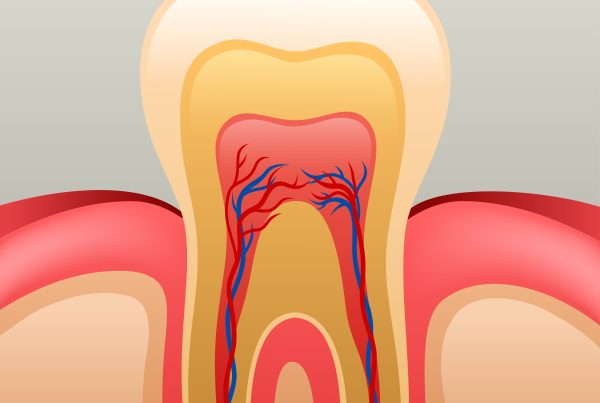
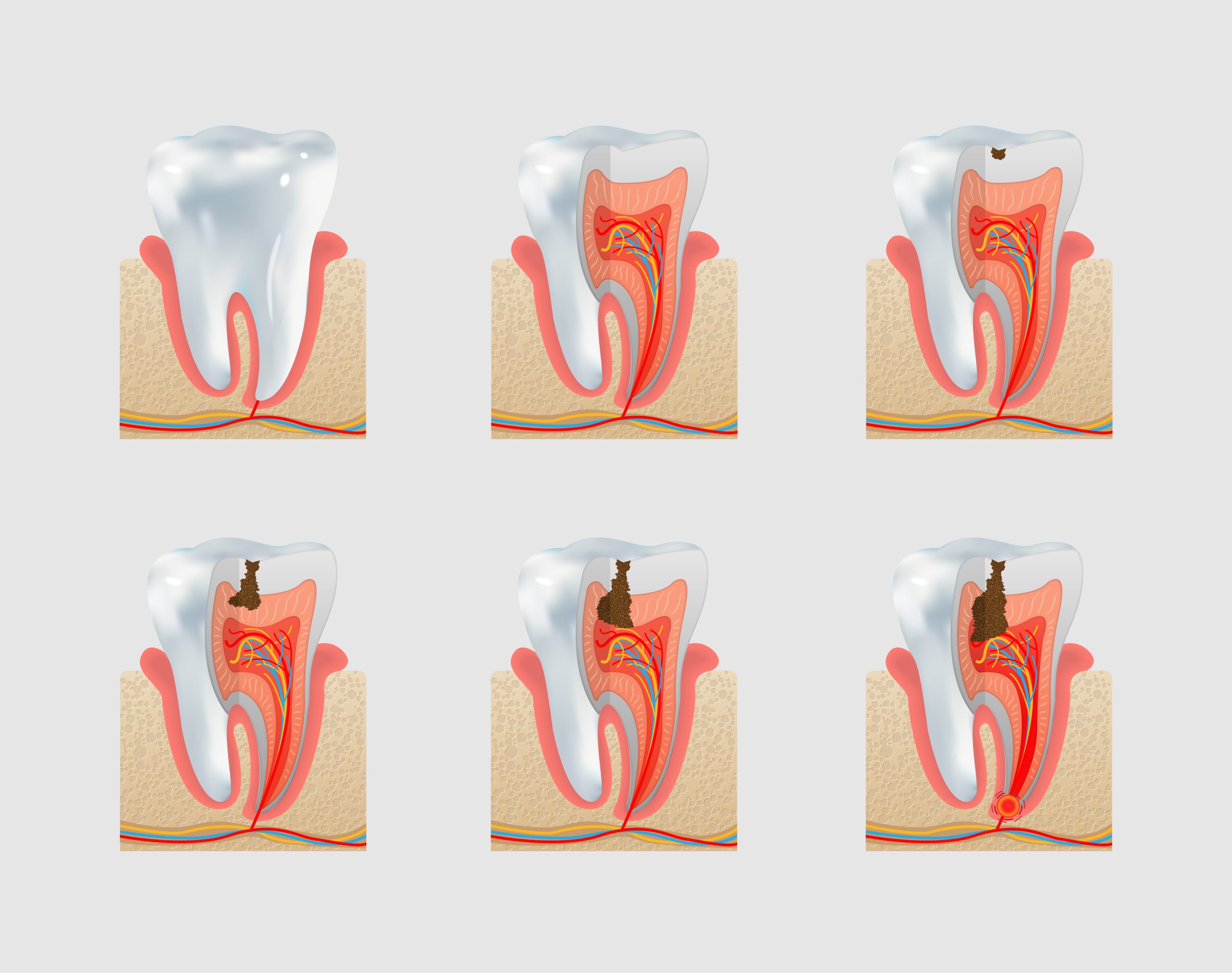
A root canal is a dental procedure designed to save a damaged or infected tooth by removing the infected pulp, cleaning the interior of the tooth, and sealing it to prevent further infection. The pulp, which contains nerves and blood vessels, can become infected or inflamed due to various reasons, such as deep decay, a cracked tooth, or trauma. During a root canal, the dentist numbs the area, drills a small access hole into the tooth, and carefully removes the infected or damaged pulp. The interior of the tooth is then disinfected, shaped, and filled with a biocompatible material to seal the tooth. Finally, a dental crown is often placed over the tooth to restore its strength and function. Root canals are typically recommended when the tooth’s structure can be preserved, and it’s worth saving the natural tooth.
On the other hand, a tooth extraction is the complete removal of a tooth from its socket in the jawbone. This procedure is necessary when a tooth is severely damaged, decayed, or has no chance of being saved through treatments like root canals. Tooth extraction can also be recommended in cases of overcrowding, impacted wisdom teeth, or when preparing for orthodontic treatments. The removal process involves numbing the area, loosening the tooth within the socket, and extracting it carefully. While extractions are sometimes necessary, they result in the loss of a natural tooth, and patients often need to consider options for tooth replacement, such as dental implants, bridges, or dentures, to maintain proper oral function and aesthetics.
When is a root canal recommended as the preferred treatment option?
A root canal is typically recommended as the preferred treatment option when a tooth is afflicted by infection, decay, or damage that has affected the pulp, nerves, or blood vessels inside the tooth, while the tooth’s structural integrity remains largely intact. This procedure is particularly appropriate when preserving the natural tooth is desirable as it helps maintain proper oral function and aesthetics. Root canals are recommended to alleviate severe toothache and discomfort, prevent the spread of infection to adjacent teeth or the jawbone, and avoid the need for a tooth extraction, which would necessitate subsequent tooth replacement measures. The decision to opt for a root canal is based on the dentist’s assessment of the tooth’s condition and the patient’s overall oral health, with the goal of saving the natural tooth whenever possible.


Under what circumstances is a tooth extraction considered a better choice?
A tooth extraction is considered a better choice in several circumstances, including when a tooth is severely damaged, decayed, or fractured to a point where it cannot be effectively restored through a root canal or other dental procedures. Additionally, tooth extractions may be necessary in cases of severe gum disease, advanced periodontal problems, impacted wisdom teeth, overcrowding, or as a part of orthodontic treatments. In these situations, extracting the affected tooth is often the most practical and effective way to alleviate pain, prevent the spread of infection, and maintain overall oral health. After an extraction, patients may explore tooth replacement options to restore function and aesthetics, such as dental implants, bridges, or dentures.
Can the choice between a root canal and extraction depend on the location of the affected tooth?
Yes, the choice between a root canal and extraction can indeed depend on the location of the affected tooth within the mouth. The position of the tooth can influence the decision-making process in several ways:
- Accessibility: Teeth that are located at the back of the mouth, such as molars, can be more challenging to access and treat with a root canal due to their position. In some cases, the location may make it more practical to opt for an extraction.
- Functionality: The function of the tooth can be a critical factor. Front teeth, which are more visible and play a significant role in aesthetics and speech, are often prioritized for preservation whenever possible, making a root canal a preferred choice.
- Adjacent teeth: The condition of adjacent teeth and their potential impact on the affected tooth can also influence the decision. If preserving the affected tooth would jeopardize the health of neighboring teeth, extraction may be favored.
- Orthodontic considerations: In orthodontic treatments, sometimes extractions are planned to create space for teeth alignment. In such cases, extractions are part of a deliberate treatment plan.
Ultimately, the decision should take into account the unique circumstances of the affected tooth, the patient’s oral health goals, and the dentist’s professional assessment to determine whether a root canal or extraction is the more appropriate course of action.

What is the recovery process like for both procedures, and how long does it typically take?
The recovery process for both root canals and tooth extractions varies in terms of discomfort and duration. After a root canal, most patients can expect some mild discomfort and swelling around the treated tooth, but this discomfort usually subsides within a few days. Over-the-counter pain relievers can help manage any post-operative pain. Patients are often able to resume their normal activities almost immediately and can typically eat soft foods right after the procedure. However, a follow-up visit is usually required to place a dental crown on the treated tooth, and this may involve additional temporary discomfort.
In contrast, the recovery process for a tooth extraction can be more extensive, particularly if it involves the removal of a molar or a surgically impacted wisdom tooth. Discomfort and swelling are common and can persist for a few days to a week. Dentists often prescribe pain medication to manage post-operative pain. Patients are advised to avoid certain activities, such as strenuous exercise and consuming certain foods, during the initial days after an extraction. Full recovery can take a few weeks, and the process may involve additional appointments for suture removal or follow-up care, depending on the specific circumstances of the extraction.
It’s important to note that the exact recovery timeline can vary from person to person and depends on factors like the complexity of the procedure, individual pain tolerance, and the patient’s overall health. Dentists provide specific post-operative care instructions for each case to facilitate a smooth and speedy recovery.
How do the costs of root canals and extractions compare, and does insurance cover these procedures?
The costs of root canals and extractions can vary significantly depending on various factors, including the complexity of the procedure, the location of the affected tooth, and the dentist’s fees. In general, root canals tend to be more expensive than simple extractions. The complexity and severity of the dental issue can also impact the cost. Root canals involve more intricate and time-consuming procedures, such as removing the infected pulp, shaping the interior of the tooth, and placing a crown, which can contribute to higher costs.
Whether dental insurance covers these procedures depends on your specific insurance plan. In many cases, dental insurance partially covers the costs of root canals and extractions, though there may be limitations and co-pays involved. Insurance providers typically classify these treatments into different categories, with root canals often considered a major procedure and extractions a basic or minor procedure. It’s essential to review your dental insurance policy to understand what is covered, what your out-of-pocket expenses may be, and whether there are any waiting periods or restrictions on coverage. Additionally, some dental offices offer payment plans or financing options to help patients manage the costs of these procedures.


Can a root canal fail, and if so, what are the implications?
Yes, a root canal can fail in some cases, and the implications of a failed root canal can vary. A root canal treatment may fail for several reasons, including:
- Incomplete removal of infected tissue: If not all of the infected pulp is removed during the initial procedure, the infection can persist or return.
- Undetected additional canals: Some teeth have complex root canal systems with multiple canals. If a dentist misses one of these canals during the treatment, it can lead to a failed root canal.
- Poor sealing of the tooth: If the tooth is not effectively sealed after the root canal, bacteria can re-enter the tooth, leading to reinfection.
- Crown or restoration issues: If the final crown or restoration is not properly placed or becomes damaged, it can expose the tooth to infection.
The implications of a failed root canal may include persistent or recurring pain and infection, which can lead to the need for further dental procedures. In some cases, the tooth may require retreatment with a second root canal, or if retreatment is not possible or successful, extraction of the tooth may become necessary. Dental professionals will assess the specific situation and recommend the most appropriate course of action to address a failed root canal. It’s important to address a failed root canal promptly to prevent complications and further oral health issues.