When the Numbing Doesn't Work: Understanding Dental Anesthesia Challenges
We've all been there. The dentist says, "You should be feeling numb now," but your tooth is still sending shooting pain signals. That moment of panic sets in as you wonder if you'll have to endure your entire procedure feeling everything. As dental professionals at Best Dental, we see this concern regularly, and we want you to know—it's not your fault, and you're definitely not alone.

The Vitamin C Connection
Did you enjoy a glass of orange juice with breakfast before your appointment? That might actually be part of the problem. Many patients don’t realize that vitamin C can change the pH balance in your body, making dental anesthetics less effective. We often suggest skipping those vitamin C supplements or citrus drinks before coming in. Interestingly, this works both ways—if you’re leaving our office and can’t wait for the numbness to fade, a vitamin C-rich snack might help speed things along.
When Your Tooth Is “Running Hot”
When dentists talk about a “hot tooth,” we’re referring to a tooth that’s particularly inflamed and painful. Think of it like a tooth that’s on high alert, with its nerve endings firing on all cylinders. These overactive nerves often resist standard amounts of anesthetic, requiring additional techniques to calm them down. The severe pain has essentially changed how the tooth’s nerves function, creating more pain receptors and making them more sensitive. If you’ve ever had a tooth that seemed impossible to numb, this might have been the culprit.

The Tiny Movements That Make a Big Difference
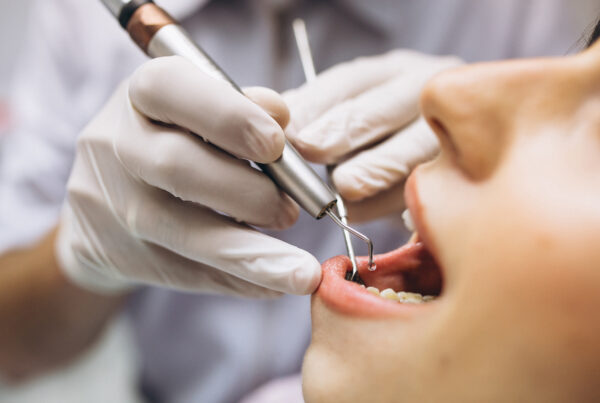
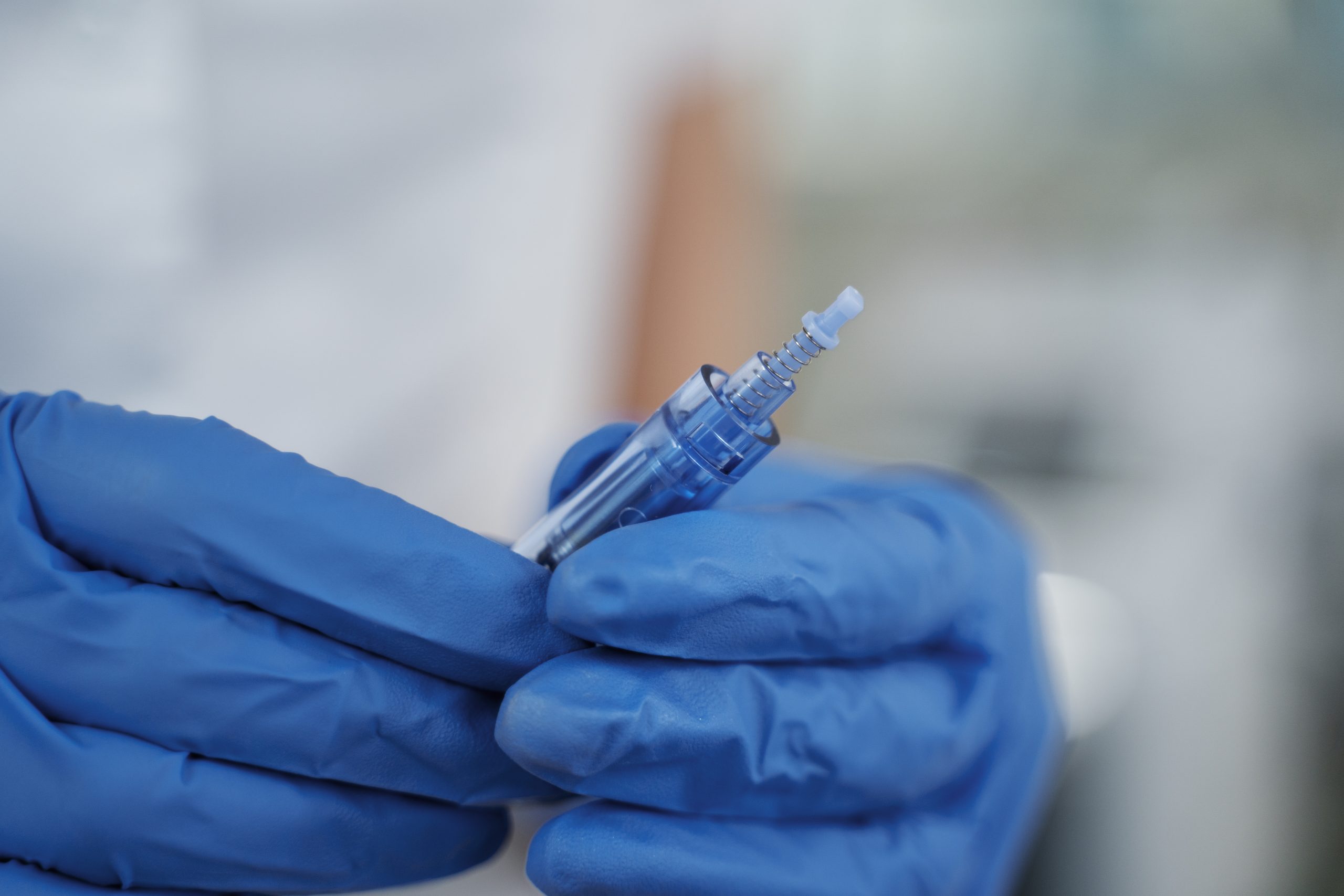
It’s completely natural to flinch when you see a needle approaching your mouth. However, even the slightest movement during anesthetic administration can cause the injection to miss its target. Dental nerves are incredibly small targets, and precision matters. We completely understand the anxiety that comes with injections, but staying as still as possible gives us the best chance of hitting the right spot on the first try. Many of our patients find that taking slow, deep breaths helps them remain calm and still during this moment.
Your Mouth Is as Unique as Your Fingerprint (Changing Anatomy)
One fascinating aspect of dentistry is how unique each person’s oral anatomy can be. The location of your nerves, the length of your tooth roots, and the density of your bone structure all vary from person to person. What works perfectly for most patients might not work for you simply because your nerves take a slightly different path. This is where advanced imaging techniques become invaluable, allowing us to map your specific anatomy and tailor our approach accordingly.


Your Body, Your Response
Have you ever wondered why some people seem to metabolize medications differently? The same principle applies to dental anesthetics. Some interesting patterns we’ve observed include redheaded patients often requiring more anesthesia (there’s actually a genetic link!), and people with faster metabolisms clearing anesthetics from their systems more quickly. At Best Dental, we take the time to understand your personal response and adjust our techniques accordingly.
When Anxiety Amplifies Pain
Dental anxiety doesn’t just affect your emotional state—it can physically impact how your body responds to anesthetics. When you’re anxious, your perception of pain increases, stress hormones flood your system (which can counteract anesthetics), and you might unconsciously tense your muscles. This creates a challenging cycle where anxiety makes numbing more difficult, which in turn increases anxiety.

Finding Your Comfort Zone with Sedation
For patients who consistently struggle with getting numb—whether due to anatomy, anxiety, or biological factors—sedation dentistry can be life-changing. At Best Dental, we offer several approaches tailored to your needs.
Nitrous oxide, commonly known as laughing gas, offers gentle relaxation that takes effect within minutes and wears off just as quickly after treatment. Many patients find this light sedation makes all the difference in their comfort level while receiving local anesthetic.
For those needing deeper relaxation, oral sedation involves taking a prescribed medication before your appointment. This approach helps you remain conscious but deeply relaxed throughout your procedure, often creating an experience where you have little memory of the treatment afterward.
In cases where more profound relaxation is beneficial, IV sedation delivers sedative medication directly into your bloodstream. This method is particularly helpful for patients with severe anxiety or those undergoing complex procedures. With IV sedation, many patients describe the experience as feeling like they slept through their treatment, even though they can still respond to basic directions.