Dental Dentures Explained
Starting your journey to a revitalized smile and regained confidence in a healthy set of teeth often begins with exploring the many possibilities offered by new dental dentures. In this comprehensive guide, we'll delve into the world of denture services and uncover the diverse range of options that go beyond simple tooth replacement.
From denture repair and relining to advanced solutions like implant-supported, custom, and immediate dentures, our exploration will encompass comfort, functionality, and aesthetics alike. Whether you're looking for a temporary solution to replace a few missing teeth or a more permanent option to restore your full smile, we'll help you find the best dentures for your individual needs and lifestyle.
Along the way, we'll explore the different types of dentures available, the materials used to make them, and the pros and cons of each option. We'll also discuss the denture fitting process, how to care for your dentures, and what to expect in the days and weeks after getting dentures.
Whether you're just starting your research or you're ready to schedule a consultation with a dentist, we hope this guide will be a valuable resource. With so many denture options available today, there's no need to settle for anything less than the best.
Denture Services Overview:
1. Denture Repair and Rebase:
- Overview: Denture repair and rebase services involve fixing damaged dentures or refitting them to ensure a comfortable fit.
- Pros: Cost-effective, can extend the lifespan of existing dentures.
- Cons: Limited if dentures are extensively damaged, may not address aesthetic wear.
2. Denture Reline:
- Overview: Denture relining is a process where the base of the denture is modified to fit changes in the oral structure.
- Pros: Enhances comfort and fit, can be a quick solution.
- Cons: May need periodic adjustments as the jaw continues to change.
3. Partial Dentures:
- Overview: Partial dentures are used when some natural teeth remain and are used as anchors.
- Pros: Less invasive, more affordable than full dentures.
- Cons: Can be less stable, may need periodic adjustments.
4. Full Dentures:
- Overview: Full dentures replace an entire arch of missing teeth and rest on the gums.
- Pros: Provide a complete set of teeth, restore aesthetics and function.
- Cons: May require adhesive for stability, adjustments as jaw shape changes.
Denture Services Overview Continued:
5. Implant-Supported Dentures:
- Overview: Implant-supported dentures are anchored to dental implants surgically placed in the jaw.
- Pros: Exceptional stability, improved biting force, comfortable fit.
- Cons: More expensive, surgical procedure required.
6. Custom Dentures:
- Overview: Custom dentures are individually crafted for the patient, providing the best fit and aesthetics.
- Pros: Optimal comfort, natural appearance, improved function.
- Cons: Higher cost than standard dentures.
7. Immediate Dentures:
- Overview: Immediate dentures are inserted on the same day teeth are extracted.
- Pros: No period without teeth, convenient.
- Cons: May require adjustments as gums heal and shrink.
8. Soft Dentures:
- Overview: Soft dentures use a flexible material for a more comfortable fit.
- Pros: Gentle on gums, comfortable, less risk of sore spots.
- Cons: Not as durable as traditional dentures, may need replacement sooner.
Why Brand New Dentures are a Great Option:
Getting brand new dentures offers several advantages:
- Custom Fit: New dentures are tailored to your current oral structure, providing the best possible fit and comfort.
- Aesthetic Improvement: New dentures restore your smile, enhancing your appearance and confidence.
- Improved Function: They allow for better chewing and speaking, enhancing your overall quality of life.
- Durability: New dentures are less likely to require frequent repairs or adjustments, saving time and money.
- Advanced Materials: Technological advancements have led to more comfortable and long-lasting denture materials.

How to find a qualified Dentist that provides quality Denture Services:
To find a qualified dentist that provides quality denture services, you can:
- Ask for recommendations from friends, family, and colleagues. Word-of-mouth is often the best way to find a qualified dentist.
- Look for dentists who specialize in dentures or prosthodontics. Prosthodontists are dentists who have received additional training in the restoration and replacement of teeth.
- Read online reviews of dentists in your area. This can give you a good sense of other patients’ experiences.
- Schedule a consultation with a few different dentists to get a feel for their approach and to make sure they are a good fit for you.
Here are some of the pros that Best Dental Houston provides over our competitors:
- We have a team of experienced and qualified dentists and prosthodontists who specialize in dentures.
- We offer a wide range of denture services, including denture repair and relining, implant-supported dentures, custom dentures, and immediate dentures.
- We use the latest technology and materials to create dentures that are both comfortable and functional.
- We offer affordable denture services and accept a variety of insurance plans.
- We are committed to providing our patients with the best possible care and service.
- We provide affordable denture options compared to all our competitors in the local Houston area. We take pride in our denture services and strive to see to it that they are easily accessible to everyone.
We understand that choosing dentures is a big decision. That’s why we offer a consultation so that you can meet with one of our dentists and discuss your options in detail. We will help you choose the best dentures for your individual needs and lifestyle, and we will answer any questions you may have.
Due to our natural approaches in dentistry, We are confident that we can provide you with the quality denture services you need to achieve a healthy and beautiful smile. Contact us today to schedule a consultation.
What to expect during your first appointment
During your first appointment for new dentures, you can expect the following:
- A comprehensive dental examination. Your dentist will examine your teeth and gums to assess your overall oral health and to determine the best type of dentures for you.
- X-rays. Your dentist may take X-rays of your teeth and jaw to get a better look at your bone structure and to identify any potential problems.
- Impressions of your mouth. Your dentist will take impressions of your upper and lower jaw to create a mold for your dentures.
- A discussion of your options. Your dentist will discuss the different types of dentures available and help you choose the best option for your individual needs and budget.
- A treatment plan. Your dentist will develop a treatment plan that outlines the steps involved in getting dentures.
The total number of appointments you will need will vary depending on the type of dentures you choose and the complexity of your case. However, most people will need at least two appointments: one to take impressions and one to fit the dentures.
Here are some additional things to expect during your first appointment:
- Your dentist will ask you about your medical history and any medications you are taking.
- They will also discuss your expectations for your new dentures.
- They will answer any questions you may have about the denture process.
It is important to be honest with your dentist about your needs and expectations. This will help them to provide you with the best possible care.
If you have any concerns about your first appointment, please do not hesitate to talk to your dentist. They are there to help you make the best decision for your oral health.


How to choose the right type of dentures for you
There are many different types of dentures available, and the best type for you will depend on your individual needs and budget. Here is a brief overview of the different types of dentures:
- Conventional dentures: These are the most common type of denture. They are made of acrylic resin or metal and are supported by the gums and the bones of the jaw.
- Implant-supported dentures: These dentures are anchored to dental implants, which are titanium screws that are surgically inserted into the jawbone. Implant-supported dentures are more stable and secure than conventional dentures, and they can help to preserve bone mass.
- Immediate dentures: These dentures are placed in the mouth immediately after the teeth are extracted. This can help to prevent the gums from shrinking and to maintain the facial structure.
- Partial dentures: These dentures are used to replace a few missing teeth. They are attached to the remaining teeth with metal clasps or wires.
When choosing the right type of dentures for you, it is important to consider the following factors:
- Comfort: Dentures should be comfortable to wear and should not cause any pain or discomfort.
- Function: Dentures should allow you to eat, drink, and speak normally.
- Appearance: Dentures should look natural and should enhance your smile.
It is important to talk to your dentist about the different types of dentures available and to choose the type that is best for you. Your dentist can help you to consider all of the factors involved in choosing dentures, including cost, comfort, function, and appearance.
Tips for living with Dentures
Here are some tips for living with dentures, with pictures:
- Clean your dentures regularly. Brush your dentures at least twice a day with a soft-bristled toothbrush and denture cleanser. Be sure to clean all surfaces of your dentures, including the inside and outside.
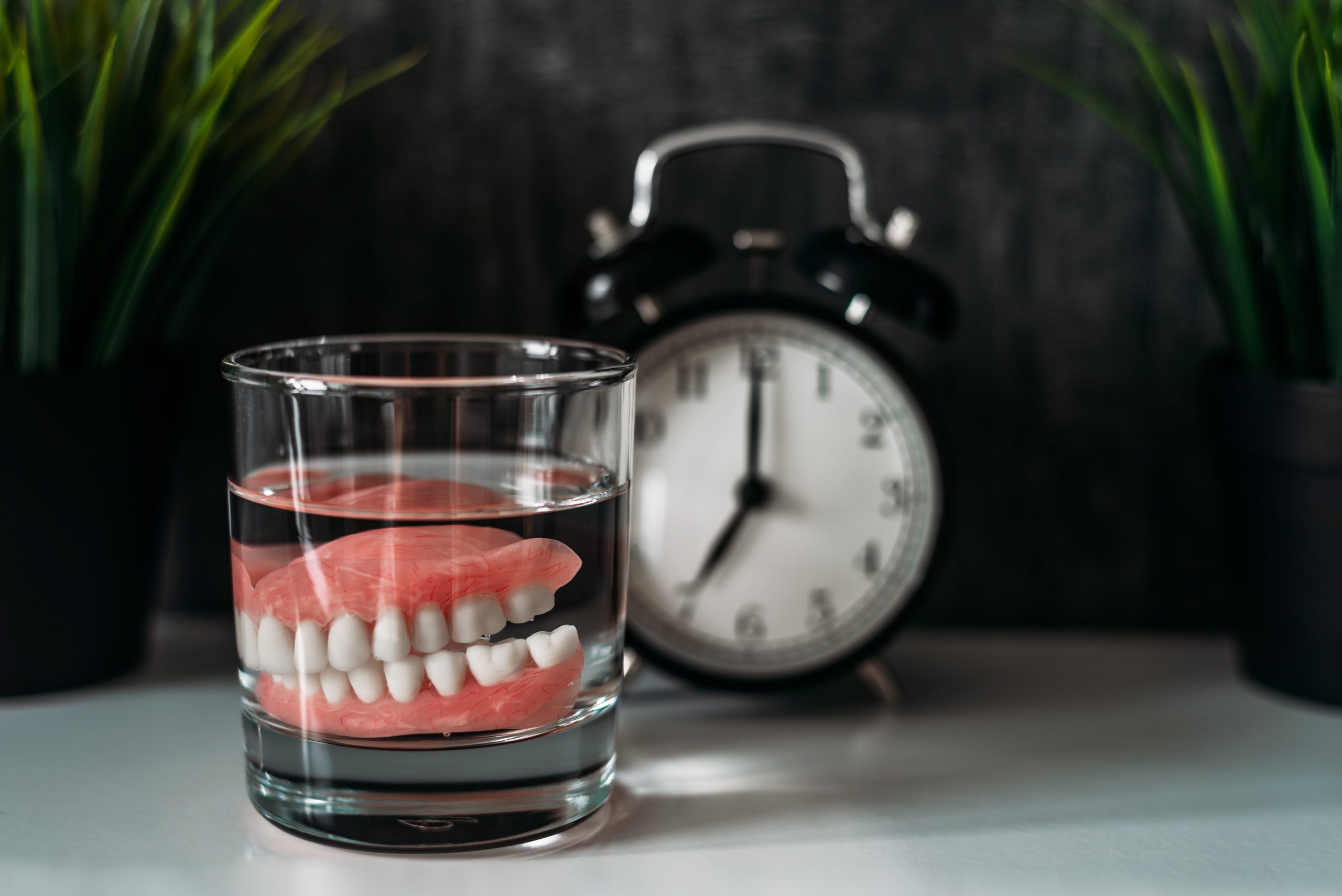
- Soak your dentures overnight. When you are not wearing your dentures, soak them in a denture cleanser solution. This will help to remove plaque and bacteria, and it will help to keep your dentures moist.
- Handle your dentures with care. Dentures can be fragile, so be careful when handling them. Avoid dropping your dentures, and do not bend or twist them.
- Eat a healthy diet. Eating a healthy diet will help to keep your gums healthy and can help to prevent gum disease. Avoid eating hard or sticky foods, as these can damage your dentures.
- See your dentist regularly. It is important to see your dentist regularly for denture checkups and cleanings. Your dentist can also make adjustments to your dentures as needed to ensure that they fit well and are comfortable.
Here are some additional tips for living with dentures:
- Start by wearing your dentures for short periods of time. As you get used to your dentures, you can gradually increase the amount of time you wear them.
- If your dentures feel uncomfortable or cause any pain, take them out and rest your gums.
- Use a denture adhesive to help your dentures stay in place.
- Be careful when chewing gum or eating sticky foods.
- If you have any problems with your dentures, talk to your dentist.
Living with dentures can take some getting used to, but with a little bit of care and attention, you can enjoy a full and active life.


Are denture adjustments painful or uncomfortable?
At Best Dental Houston, we minimize all discomfort during denture adjustments. We understand that denture adjustments can be uncomfortable, so we take steps to make the process as comfortable as possible.
Here are some of the things we do to minimize discomfort during denture adjustments:
- We use a topical anesthetic to numb your gums before making any adjustments.
- We make small, precise adjustments to your dentures to avoid causing unnecessary discomfort.
- We check in with you throughout the adjustment process to make sure that you are comfortable.
- We offer breaks during the adjustment process if needed.
- We apply a cold compress to your gums after the adjustment process to reduce swelling and discomfort.
We are committed to providing our patients with the best possible care and experience. That’s why we take steps to minimize all discomfort during denture adjustments.
If you are considering getting dentures, we encourage you to schedule a consultation with us. We will be happy to discuss your options and answer any questions you may have.